Indian cooking
Indian cooking / Dishes / Malabar Adai
Malabar Adai (Rice & Lentil Pancakes from Malabar)

Malabar Adai

Rice & Lentil Pancakes from Malabar
Vegetarian●●●Origin KeralaPrep 15 minutes, plus soaking timeCook 45–55 minutes

A savoury, crisp South Indian pancake crafted from a coarsely ground batter of soaked rice and mixed lentils, speckled with bits of fresh coconut, ginger, and green chillies.

Ingredients

01
180 g
grain
02
70 g
legume
03
Chana dalrinsed and drained
70 g
legume
04
Pigeon peas · Toor Dalrinsed and drained
70 g
legume
05
Ginger · Adrakpeeled and grated
12 g1 piece
aromatic
06
Green chilli · Hari Mirchde-seeded and chopped
24–36 g4–6 chillies
vegetable
07
~1 g1 sprig
herb
08
Fresh coconut · Taaza Nariyalcut into 1-cm / ½-inch cubes
24 g¼ cup
fruit
09
Vegetable oil · Telfor shallow-frying
to taste
oil/fat
10
to taste
salt

Method

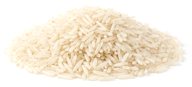
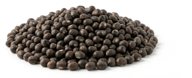
  1. Soak 180 g rice (None) in a bowl of water. In a separate bowl of water, soak 70 g toor dal (None), 70 g chana dal, and 70 g urad dal (None) for 1 hour.
  2. Drain the soaked rice and tip it into a blender. Process into a coarse batter while gradually adding 125 ml water, then scrape into a large bowl.
  3. Drain the soaked lentils and add them to the blender along with 12 g ginger and 24–36 g green chilli. Grind coarsely while slowly pouring in 250 ml water.
  4. Combine the ground lentils with the rice batter. Stir in 1 g curry leaf, 24 g fresh coconut, and salt to taste, thinning with a little extra water if needed until you have a thick, pourable batter.
  5. Heat a tawa or flat skillet over high heat until a drop of water sizzles instantly. Lower the heat, wipe the surface with a thin film of vegetable oil, and ladle a portion of batter into the centre, spreading it quickly in a circular motion into a 15-cm (6-inch) round.
  6. Puncture a small hole in the centre of the pancake and drizzle about 1 teaspoon of vegetable oil around the edges and into the middle. Cook for 2 minutes until the underside is golden, flip with a spatula, and fry the other side for another 2 minutes until crisp and golden brown. Repeat for the remaining batter.

Don't have something?

Parboiled rice
  • Long-grain rice

    Use the same weight; it cooks softer and faster, so use about 10–15% less water and check earlier.

  • Basmati rice

    Use the same weight; it is less stout and cooks faster, so reduce water and simmer gently.

  • Rice

    Use the same weight; any plain rice will work but will not have the firm bite of parboiled rice.

Whole urad dal
  • Black gram

    Use 100% of the weight. If using split black urad dal (chilka), cooking time reduces by roughly a third; if using skinless white urad, the dal will lack the dark hue and earthy skin flavour.

  • Dried red kidney bean

    Use 100% of the weight, soaked overnight and pressure cooked until tender. Provides the hearty texture needed in slow-cooked lentils like Dal Makhani.

Chana dal
  • Yellow split peas

    Use 100% of the weight. Soak for at least 1 hour; takes about 10 minutes longer to cook through and has a marginally earthier flavour.

  • Pigeon peas

    Use 100% of the weight. Reduces cooking time by about 10 minutes and breaks down softer, giving a smoother consistency rather than distinct grains.

  • Black gram

    For tempering or tadka only: use 70% of the weight. Browns faster in hot oil, providing a nutty, crunchy bite.

Toor dal
  • Red lentils

    Use equal weight. Cooks considerably faster and breaks down into a softer, creamier consistency with an earthier taste.

  • Chana dal

    Use equal weight. Requires longer soaking and cooking; remains firmer with a nuttier bite and less starchy thickening.

  • Split mung beans

    Use equal weight. Cooks quickly to a lighter, more delicate, and silky texture.

Ginger
  • Fresh ginger

    Use equal weight; scrape off the skin and grate or finely julienne according to the recipe.

  • Ginger paste

    Use equal weight; stir straight into the sizzling aromatics, taking care as the extra moisture may spit.

  • Ground ginger

    Use 15 to 20% of the weight; add alongside ground spices, noting it imparts warm, dry heat rather than zesty freshness.

Green chilli
  • Chilli powder

    Use 10 to 15% of the weight (about 1/4 teaspoon per chilli); imparts dry pungent heat and reddens the dish without the grassy crunch.

  • Dried red chilli

    Use 1 dried pod per fresh green chilli; snap in half and temper in hot oil for a deeper, toastier heat.

Curry leaf
  • Bay leaf

    Fry 1 bay leaf for every 5 curry leaves in hot oil; imparts a warm, woodsy background note, but misses the citrus-sulphury punch entirely.

  • Lime juice

    Add a small squeeze (about 5 ml per sprig of curry leaves) right before serving; provides sharp citrus top notes without the toasty, herbal aroma.

Fresh coconut
  • Desiccated coconut

    Use 50% to 60% of the weight, soaked in equal parts warm water for 15 minutes before grinding. Works well for chutneys, though texture is slightly finer and sweeter.

  • Coconut milk

    Use 1.2 times the weight in curries. Adds creamy richness and authentic flavour, but makes gravies smoother and eliminates the grated, chewy mouthfeel.


Vegetable oil
  • Peanut oil

    Use 1:1 by weight. Handles high-heat frying identically and introduces a very subtle, pleasant nuttiness.

  • Ghee

    Use 1:1 by weight. Yields a much richer, authentic aroma and a glossy, heavier mouthfeel.

  • Mustard oil

    Use 1:1 by weight. Heat until smoking, then cool slightly before cooking to temper its intensely pungent, sharp mustard kick.

Similar dishes

Masala Idli
Spicy Steamed Rice Dumplings
Masala Idli tastes soft, pillowy and gently sour from fermentation with a mustard-cumin-asafoetida aroma, whereas this dish tastes crisp and dal-forward with coconut, ginger and green chilli.
  • Same: Masala Idli and this dish both use parboiled rice, urad dal, chana dal, fresh coconut, ginger, green chilli, curry leaf, vegetable oil and salt.
  • Different: Masala Idli is a steamed fermented batter with no toor dal and adds a tempering of mustard seed, cumin seed, asafoetida and coriander leaf, while this dish is a coarsely ground, pan-cooked crisp pancake that includes toor dal and has no added souring agent.
Undrally
Steamed Rice Balls
It tastes much milder and relies on tangy tamarind pickle for flavour rather than the spicy heat of ginger and green chillies.
  • Same: Undrally also uses a base combination of rice and chana dal.
  • Different: Undrally is steamed without oil, omitting the ginger, green chillies, curry leaves, and coconut of this dish, and is served with Chintapandu Thokku.
Idli
Steamed Spongy Cakes
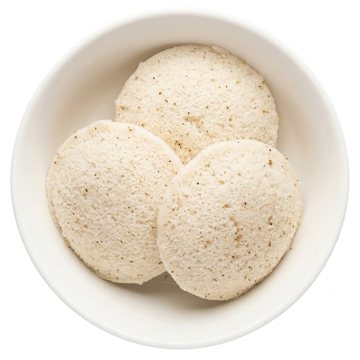
Idli tastes soft, spongy, and mild, while this dish tastes crisp and savoury with lentil bits, coconut, ginger, and green chilli heat.
  • Same: Idli shares with this dish a South Indian savoury rice-and-lentil base using parboiled rice, urad dal, and salt.
  • Different: Idli adds fine semolina and baking powder, uses only urad dal, and is steamed, while this dish uses chana dal and toor dal, fresh coconut, ginger, green chilli, curry leaf, and vegetable oil and is cooked as crisp pancakes.
Pesaru Punukulu
Green Lentil Fritters
Pesaru Punukulu has an earthier, herb-forward taste without the warming ginger heat and sweet nutty coconut present in this dish.
  • Same: Pesaru Punukulu shares a coarse rice-and-legume batter seasoned with green chilli, curry leaf, and salt cooked in vegetable oil.
  • Different: Pesaru Punukulu is deep-fried into fritters using whole mung beans and coriander leaf, whereas this dish is pan-cooked as a pancake using chana dal, fresh coconut, and ginger.