
Illigada Chutney
A robust, fiery garlic preserve with deep warmth from fenugreek and chilli, balanced by sharp lime juice and a fragrant spiced oil finish.
Base spices
34 gBloomed in the warm oil (step 1)Tempering spices
12 gSizzled in the tempering pan (step 4)Everything else

Method
- Warm 125 g oil in a frying pan over low heat, tip in the base spices, and stir-fry for 30 seconds.
- Season with salt to taste, pour in 20 g lime juice, and let the mixture simmer gently for 5 minutes.
- Add 100 g garlic (cut into vertical slices) and cook over gentle heat for 15 minutes until softened.
- In another pan, heat 13.5 g vegetable oil over medium heat. Add 1 g curry leaf and the tempering spices, stir-frying for 1 to 2 minutes until deeply browned.
- Tip the hot spiced oil directly over the garlic chutney and mix to combine. Allow to cool before storing in the refrigerator for up to 1 week.
Don't have something?


 Mustard oil
Use the same weight. Heat until smoking, then cool for 2 minutes before cooking; it is pungent and changes the flavour strongly.
 Groundnut oil
Use the same weight. It is neutral, so add 1 tsp toasted sesame seeds for aroma.
 Vegetable oil
Use the same weight. It is neutral and lacks sesame flavour; finish with a few drops of toasted sesame oil if you have it.



 Chilli powder
Use equal weight. Stir in directly with the dry spices; delivers comparable heat and red colour.
 Kashmiri chilli powder
Use 130% to 150% of the weight. Provides brilliant ruby colour with roughly half the fiery heat.
 Yellow chilli powder
Use 75% of the weight. Gives a sharp, clean pungency without tinting the sauce red.


 Fenugreek seeds
Grind whole seeds finely in a spice grinder; use equal weight (1:1). Ensure it cooks through gently, as undercooked or burnt ground seeds become intensely bitter.
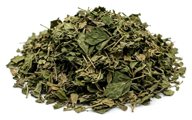 Dried fenugreek leaves
Crush dried leaves between your palms and add towards the end; use 50% of the weight. Gives the unmistakable maple-herb aroma without the sharp bitterness of the seeds.
 Yellow mustard seeds
Grind finely; use 50% of the weight. Adds an earthy, sharp bite, though it lacks the distinctive sweet-curry smell.


 Lemon
Use the same weight; sharper and less floral, so reduce any extra souring slightly.
 Lemon juice
Use about 30 g juice per lime (2 tbsp), strain pips; add at the end for fresh sourness.
 Dried mango powder
Use 1 g amchoor for about 15 g lime juice; add early with spices; gives dry mango sourness, not citrus aroma.



 Garlic paste
Use equal weight. Fry gently in oil or ghee with the ginger; incorporates smoothly into curries without visible minced bits.
 Garlic powder
Use 15% to 20% of the weight (about 1 g for every 5 to 6 g fresh cloves). Whisk into sauces; gives a savoury, toasted garlic flavour without raw pungency.
 Shallot
Use 1.5 times the weight, very finely minced. Sauté until golden; provides savoury allium sweetness, though it lacks garlic's pungent sulphur bite.


 Peanut oil
Use 1:1 by weight. Handles high-heat frying identically and introduces a very subtle, pleasant nuttiness.
 Ghee
Use 1:1 by weight. Yields a much richer, authentic aroma and a glossy, heavier mouthfeel.
- Mustard oil
Use 1:1 by weight. Heat until smoking, then cool slightly before cooking to temper its intensely pungent, sharp mustard kick.


 Dried kashmiri chilli
Use equal weight whole. Fry in hot oil or ghee as tempered spice; gives a richer red colour with slightly milder heat.
- Red chilli powder
Use 50% to 70% of the weight. Stir into the oil with ground spices; distributes heat evenly throughout the dish without whole chilli skins.


 Bay leaf
Fry 1 bay leaf for every 5 curry leaves in hot oil; imparts a warm, woodsy background note, but misses the citrus-sulphury punch entirely.
 Lime juice
Add a small squeeze (about 5 ml per sprig of curry leaves) right before serving; provides sharp citrus top notes without the toasty, herbal aroma.


 Black mustard seed
Use the same weight. The seeds are smaller and hotter; fry in hot oil until they pop, about 20–30 seconds, and reduce the heat if they darken too fast. The dish will be a little sharper.
- Yellow mustard seeds
Use the same weight. They are milder and larger; fry a few seconds longer until they pop. The finished dish will have less pungency.
 Ground mustard seed
Use 70% of the weight of whole seed, added with the other ground spices rather than fried whole. You lose the popping texture and the heat comes through more evenly.


Similar dishes

- Same: Both are garlic-heavy Indian preserves with chilli heat, fenugreek, lime and mustard seed.
- Different: Rajasthani Lehsun ka Achar uses mustard oil, whole garlic cloves, turmeric, asafoetida and jaggery, while this dish uses sesame oil, ground fenugreek, curry leaf and a much larger amount of lime.

- Same: Burani Raita shares garlic as a main flavor and uses a little vegetable oil with salt, like this dish.
- Different: Burani Raita has yogurt, cumin, black pepper and coriander and lacks lime, sesame oil, fenugreek, red chilli powder, mustard seed and curry leaf; it is a chilled yogurt mix rather than an oil-based garlic preserve.
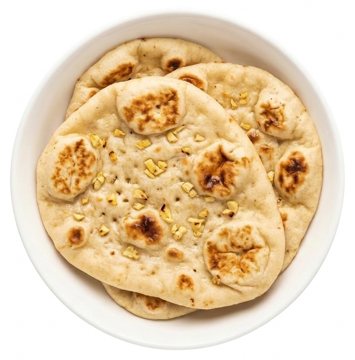
- Same: Both recipes feature garlic as their primary flavouring ingredient along with vegetable oil and salt.
- Different: Lehsuni Naan is a baked flatbread made with milk and sugar, omitting the mustard seeds, fenugreek, curry leaves, and red chillies used in this tempered preserve.

- Same: Sarson Ki Chutney shares garlic, vegetable oil, salt and chilli with this dish, and both are hot chutneys finished with oil.
- Different: Sarson Ki Chutney uses black mustard seed, Greek yoghurt, caster sugar and turmeric, and it lacks this dish's lime, sesame oil, fenugreek, curry leaf, red chilli powder and dried red chilli.