Gunpowder
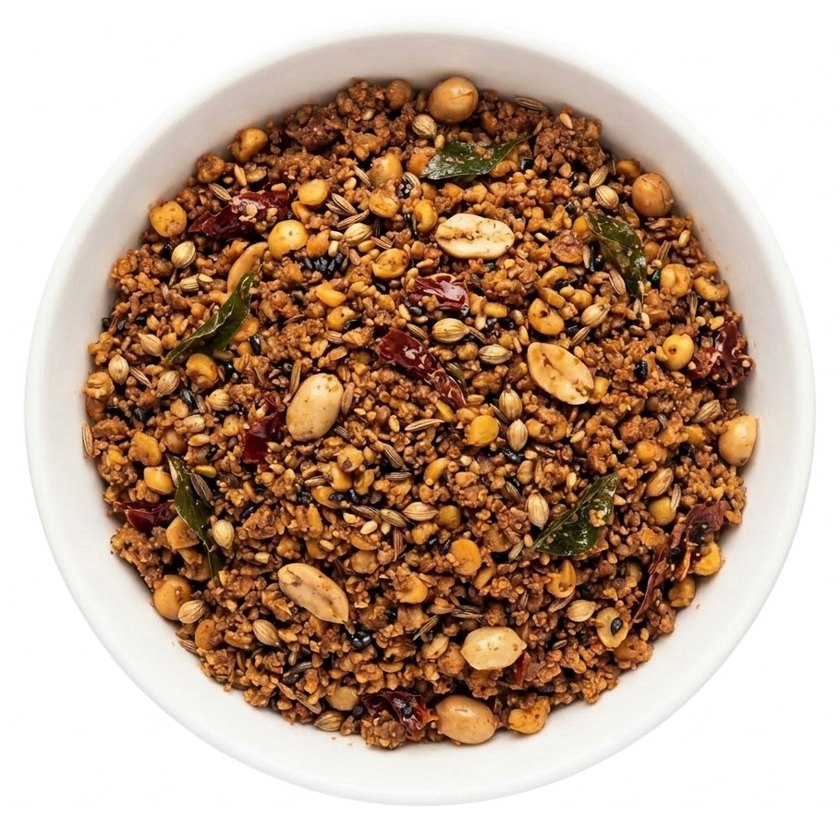
Gunpowder is a roasted dal and spice blend with chillies, seeds, curry leaves and peanuts, finished with sesame oil. It is nutty, savoury and hot, with a loose wet-mix texture.
Gunpowder masala
50 gSpread on the roasting tray with the dal, curry leaves and peanuts (step 2)Everything else
Method
- Heat the oven to 150°C (300°F).
- Spread 250 g chana dal, the gunpowder masala (30 g dried Kashmiri red chilli, 5.1 g coriander seeds, 6.3 g cumin seed and 9 g black sesame seed), 30 g curry leaf and 100 g salted peanut in a single layer on a baking tray.
- Roast for 20 minutes, until the dal is golden and the curry leaves are crisp.
- Cool completely on the tray.
- Transfer to a food processor and grind to a fine powder.
- Blend in 274 g toasted sesame oil until evenly combined.
Don't have something?


 Yellow split peas
Use 100% of the weight. Soak for at least 1 hour; takes about 10 minutes longer to cook through and has a marginally earthier flavour.
 Pigeon peas
Use 100% of the weight. Reduces cooking time by about 10 minutes and breaks down softer, giving a smoother consistency rather than distinct grains.
 Black gram
For tempering or tadka only: use 70% of the weight. Browns faster in hot oil, providing a nutty, crunchy bite.



 Kashmiri chilli powder
Use 1 g powder for every 1.5 g whole dried chilli; whisk with a spoonful of warm water and stir into the masala to provide identical ruby colour and mild heat.
 Dried red chilli
Use 35% to 40% of the weight; discard seeds before tearing into oil to temper. Delivers a much fiercer heat, with significantly less red colouring.


 Ground coriander
Use 75% of the weight; stir in along with wet masala or tomato purée rather than frying in hot oil, as the fine powder burns instantly.
 Cumin seed
Use 50% of the weight for tempering in hot oil. Lacks the floral, sweet citrus flavour of coriander, introducing warm, pungent earthiness instead.
 Fennel seed
Use 50% of the weight in tempering; provides pleasant aromatic sweetness, though noticeably aniseedy rather than citrusy.


 Ground cumin
Use 70% of the weight; add with ground spices or sauce bases rather than hot oil tempering, where it scorches quickly and turns bitter.
 Black cumin seeds
Use equal weight for oil tempering. Delivers an earthy profile with an additional musky, smoky, and slightly bitter edge.
- Fennel seed
Use 60% of the weight for tempering; offers comparable warm aroma, but leans sweet and liquorice-like rather than savoury and earthy.


 White sesame seed
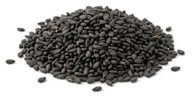
Use the same weight and toast lightly; the flavour is close but the colour will be paler.
 Sesame seed
Use the same weight; toast gently and crush if a black sesame paste is needed.


 Bay leaf
Fry 1 bay leaf for every 5 curry leaves in hot oil; imparts a warm, woodsy background note, but misses the citrus-sulphury punch entirely.
 Lime juice
Add a small squeeze (about 5 ml per sprig of curry leaves) right before serving; provides sharp citrus top notes without the toasty, herbal aroma.


 Roasted unsalted peanut
Use the same weight; add about 1 g salt per 100 g and reduce the recipe's salt.
 Peanut
Use the same weight; roast at 160C for 8–10 minutes, then salt while warm.
 Roasted cashew nut
Use the same weight; softer and sweeter, so the crunch will be less.


 Sesame oil
Use the same weight but expect a milder aroma; add a few toasted sesame seeds if you have them.
 Mustard oil
Use only 50-60% of the weight and heat it until the raw smell fades; the flavour will be pungent and different.
 Vegetable oil
Use the same weight for cooking, but it gives no sesame flavour; toast sesame seeds separately if possible.


Similar dishes

- Same: Gujarati Surati Dal shares peanuts, curry leaves and dried Kashmiri chilli with this dish, and both use dal.
- Different: Gujarati Surati Dal simmers toor dal in water with tomato, turmeric, ghee, mustard seed, asafoetida, jaggery and lemon, while this dish roasts chana dal with coriander, cumin, sesame seeds, peanuts and curry leaves and finishes with sesame oil.
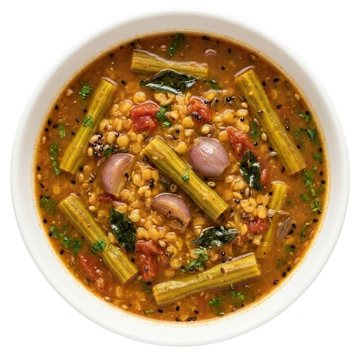
- Same: Sambhar shares curry leaves, coriander seeds, cumin seeds, black sesame seeds, chilli heat and oil with this dish.
- Different: Sambhar is a simmered toor dal stew with drumstick, tomato, shallot and tamarind, plus a mustard-seed and urad dal tempering, while this dish is a roasted chana dal blend with peanuts and sesame oil.

- Same: Both are dal-and-spice condiments with dried red chilli, coriander, cumin and curry leaves.
- Different: Masoor ki Chutney uses red lentils, coconut and tamarind with a mustard-seed and onion tempering in vegetable oil, while this dish uses chana dal, peanuts, sesame seeds and toasted sesame oil.

- Same: Masoor Pappu Charu shares dried red chilli, coriander seeds, cumin seed and curry leaf with this dish.
- Different: Masoor Pappu Charu is a tamarind-soured masoor dal soup with onion, ghee, mustard seed and asafoetida, while this dish is a roasted chana dal and peanut spice mix finished with sesame oil.