Garam Masala (II)
An aromatic, multi-layered northern Indian spice blend offering deep warmth from black cardamom, pepper, and cinnamon alongside fragrant floral notes of mace and rose.
Garam masala spices
537 gGround and combined across steps 1 and 2Method
- In a spice grinder or heavy mortar, reduce the whole spices from the garam masala spices (100 g cumin seed, 75 g black cardamom seeds, 75 g black peppercorn, 45 g green cardamom pod, 35 g coriander seeds, 35 g fennel seed, 25 g clove, 26 g cinnamon stick, 25 g mace blade, 25 g black cumin seeds, 20 g bay leaf, and 20 g dried rose petals) to a fine powder.
- Tip the powder into a dry bowl, incorporate the remaining garam masala spices (16.2 g ground ginger and 15 g grated nutmeg), and blend thoroughly.
- Pass the spiced mixture through a fine sieve to catch any coarse fragments, then pack into a clean, airtight jar.
Don't have something?


 Ground cumin
Use 70% of the weight; add with ground spices or sauce bases rather than hot oil tempering, where it scorches quickly and turns bitter.
 Black cumin seeds
Use equal weight for oil tempering. Delivers an earthy profile with an additional musky, smoky, and slightly bitter edge.
 Fennel seed
Use 60% of the weight for tempering; offers comparable warm aroma, but leans sweet and liquorice-like rather than savoury and earthy.


 Ground black cardamom
Use equal weight. Whisk into marinades or curry bases; integrates seamlessly without biting into gritty whole seeds.
 Green cardamom seed
Use equal weight with a tiny pinch of ground cloves. Crush and add to spices; imparts a sweet, bright floral note instead of intense smoke.


 Coarsely ground black pepper
Use 75% of the weight. Add midway through simmering; spreads heat evenly through the dish instead of delivering isolated bursts.
 Ground black pepper
Use 50% of the weight. Stir in near the end of cooking; significantly darkens light gravies and provides an immediate, sharp bite.


- Green cardamom seed
Use 35 to 40% of the total pod weight; lightly bruise the seeds before frying in oil to release their essential oils.
 Ground green cardamom
Use 20 to 25% of the pod weight (about 1 generous pinch per pod); stir in toward the end of cooking so the delicate floral notes do not dissipate.
 White cardamom pod
Use 1:1 by pod count or weight; crack gently before using, though it is slightly less intensely floral.


 Ground coriander
Use 75% of the weight; stir in along with wet masala or tomato purée rather than frying in hot oil, as the fine powder burns instantly.
- Cumin seed
Use 50% of the weight for tempering in hot oil. Lacks the floral, sweet citrus flavour of coriander, introducing warm, pungent earthiness instead.
- Fennel seed
Use 50% of the weight in tempering; provides pleasant aromatic sweetness, though noticeably aniseedy rather than citrusy.

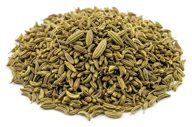 Aniseed
Use 75% of the weight. Fry in hot oil or ghee; has a sharper, more pronounced liquorice flavour, so use a lighter hand.
 Ground fennel seed
Use 60% of the weight. Stir into the sauce with ground masalas; provides identical sweet aniseed flavour without whole seed crunch.
 Star anise
Use one point (single carpel) per 1 g of fennel seeds. Simmer in gravies and remove before serving; gives a deeper, woodier liquorice aroma.


 Ground cloves
Use 1 g ground for 4 g whole (or 1 small pinch per 2 to 3 whole cloves). Add with spice powders; disperses intense warmth quickly, so use with restraint.
 Allspice berries
Use 100% of the weight whole in tempering. Imparts a warm, clove-like aromatic profile combined with hints of nutmeg and cinnamon.
 Black cardamom pod
Use 1 pod for 3 to 4 cloves in whole tempering. Shares a camphor-like warmth and medicinal depth, though it introduces a distinct smoky undertone.


 Ceylon cinnamon
True cinnamon: thinner, papery quills, milder and sweeter. Use about 1.5 times the weight, and taste.
 Ground cinnamon (cassia)
Use about a third of the weight (0.5 g ground for a 2.5 cm piece), stirred in with the ground spices rather than fried whole, since the powder burns quickly.
 Cassia buds
Use 60-70% of the weight; stronger and more peppery, so taste before adding more.


 Ground mace
Use 0.5 g ground mace for 1 g mace blade; add towards the end of frying spices as ground powder burns much quicker than whole blades.
 Nutmeg
Grate finely, using 50% of the weight; sweeter, deeper, and slightly heavier in aroma than delicate mace.
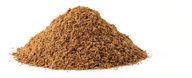 Ground nutmeg
Use 40% of the weight; stir in gently with ground spices, avoiding high direct heat to prevent bitterness.


 Nigella seeds
Use the same weight; in Indian cooking this is usually the same seed. Toast lightly if the recipe asks for toasted.
- Kalonji seed
Use the same weight; it is another name for nigella. Add whole or crush lightly.
- Cumin seed
Use about 75% of the weight and toast before use; the flavour is different, more warm and less onion-like.


- Cinnamon stick
Use a 2 cm piece (about 1 g) for every 1 to 2 bay leaves. Fry in whole-spice temperings; provides the cassia-like warmth typical of Indian tejpatta.
- Ground cinnamon (cassia)
Use 0.5 g per leaf. Stir into the sauce during simmering; gives the same warm woodiness but darkens the colour slightly.


 Rosewater
Use 1 to 2 drops per gram of dried rose petals. Add right at the end of cooking off the heat; highly aromatic, so measure carefully to avoid a soapy finish.
 Screwpine water or rosewater
Use a few drops off the heat. Imparts a sweet, floral aroma to biryanis and desserts without botanical flecks.


 Ginger paste
Use 300% to 400% of the weight (e.g. 3–4 g paste for 1 g ground). Fry in oil alongside onions; provides a juicy, pungent kick rather than a dry, baking-spice heat.
 Fresh ginger
Peel and grate finely; use 300% to 400% of the weight. Add to the hot oil early; delivers bright, peppery warmth rather than the mellow, woody heat of dry ginger.
- Ground mace
Use 50% of the weight. Imparts a warm, spicy undertone in rich gravies, but lacks ginger's fiery, sharp zest.


- Ground nutmeg
Use equal weight, or roughly 1/2 teaspoon for half a whole nutmeg. Stir in near the end of cooking as pre-ground loses aroma quickly.
- Mace blade
Use about 70% of the weight, finely ground. Mace comes from the same fruit and provides a very similar but slightly lighter, more floral warmth.
- Ground mace
Use equal weight. Delivers a slightly sharper, more delicate sweetness to rich kormas and biryanis.
Similar spice mixtures
- Same: Khas Garam Masala shares key warming spices with this dish, including cumin, black peppercorn, green cardamom, cinnamon, clove, and nutmeg.
- Different: Khas Garam Masala is a much simpler blend that relies heavily on green cardamom and omits this dish's black cardamom, coriander, fennel, mace, black cumin, bay leaf, rose petals, and ginger.
- Same: Garam Masala Kashmiri shares cumin, black and green cardamom, cloves, cinnamon, bay leaves, mace, and nutmeg with this dish.
- Different: Garam Masala Kashmiri includes large amounts of fenugreek seeds and aniseed, but leaves out the black peppercorns, coriander, fennel, black cumin, ginger, and rose petals used in this dish.
- Same: Garam Masala (I) shares a core base of cumin, coriander, black peppercorns, ground ginger, and both green and black cardamom with this dish.
- Different: Garam Masala (I) uses a much simpler formula with a higher ratio of cumin and ginger, omitting this dish's cinnamon, cloves, nutmeg, mace, fennel, black cumin, bay leaves, and dried rose petals.
- Same: Bihari Ahuna Mutton shares black cardamom, black peppercorn, cumin, coriander, fennel, clove, cinnamon, green cardamom, mace and bay leaf with this dish.
- Different: Bihari Ahuna Mutton adds lamb, mustard oil, onion, turmeric, Kashmiri chilli, garlic, bird’s eye chilli, poppy seeds and roasted split gram, and it lacks this dish’s dried rose petals, ground ginger and black cumin.