Garam Masala Kashmiri
A fragrant, warming spice blend essential to Kashmiri cooking, balancing robust toasted earthiness with sweet aniseed, nutmeg, and aromatic cardamom.
Kashmiri garam masala
542 gToasted and ground together (steps 1–2)Method
- Warm a heavy skillet over medium heat. Add the whole spices to roast from the Kashmiri garam masala: 120 g cumin seed, 18.9 g clove, 120 g black cardamom pod, 5.2 g cinnamon stick and 120 g fenugreek seeds. Dry-toast for 1 to 2 minutes, stirring continually until they darken to a reddish-brown hue.
- Move the toasted spices to a spice grinder or mortar. Tip in the remaining Kashmiri garam masala ingredients (19.8 g green cardamom pod, 120 g aniseed, 5 g bay leaf, 3.4 g ground mace and 10 g nutmeg) and pulverise everything into a fine powder.
- Pass the ground spice blend through a fine mesh sieve. Transfer to a clean, dry, airtight jar to store.
Don't have something?


 Ground cumin
Use 70% of the weight; add with ground spices or sauce bases rather than hot oil tempering, where it scorches quickly and turns bitter.
 Black cumin seeds
Use equal weight for oil tempering. Delivers an earthy profile with an additional musky, smoky, and slightly bitter edge.
 Fennel seed
Use 60% of the weight for tempering; offers comparable warm aroma, but leans sweet and liquorice-like rather than savoury and earthy.


 Ground cloves
Use 1 g ground for 4 g whole (or 1 small pinch per 2 to 3 whole cloves). Add with spice powders; disperses intense warmth quickly, so use with restraint.
 Allspice berries
Use 100% of the weight whole in tempering. Imparts a warm, clove-like aromatic profile combined with hints of nutmeg and cinnamon.
 Black cardamom pod
Use 1 pod for 3 to 4 cloves in whole tempering. Shares a camphor-like warmth and medicinal depth, though it introduces a distinct smoky undertone.


 Ground black cardamom
Use 0.5 g of ground seeds for each whole pod. Stir directly into the curry base; delivers identical smoky flavour without woody husks.
 Green cardamom pod
Use equal pod count or weight. Crack slightly and fry whole; tastes sweet, menthol-fresh, and floral rather than dark and smoky.


 Ceylon cinnamon
True cinnamon: thinner, papery quills, milder and sweeter. Use about 1.5 times the weight, and taste.
 Ground cinnamon (cassia)
Use about a third of the weight (0.5 g ground for a 2.5 cm piece), stirred in with the ground spices rather than fried whole, since the powder burns quickly.
 Cassia buds
Use 60-70% of the weight; stronger and more peppery, so taste before adding more.


 Mustard seed
Use 50% of the weight, crush or grind. Sharper heat and less maple-bitter; fry briefly in oil before adding.
 Caraway seeds
Use the same weight, crush lightly. Similar bitter-seed note but more aniseed; reduce other sweet spices slightly.
 Ajwain seeds
Use 25–30% of the weight, crush. Much stronger thyme-like flavour; do not overdo.


 Green cardamom seed
Use 35 to 40% of the total pod weight; lightly bruise the seeds before frying in oil to release their essential oils.
 Ground green cardamom
Use 20 to 25% of the pod weight (about 1 generous pinch per pod); stir in toward the end of cooking so the delicate floral notes do not dissipate.
 White cardamom pod
Use 1:1 by pod count or weight; crack gently before using, though it is slightly less intensely floral.



- Fennel seed
Use equal weight. Fry or grind as directed; slightly greener and less intensely sweet, but the closest liquorice-adjacent match.
 Star anise
Use 50% of the weight. Grind finely or infuse whole in simmering liquid and discard before serving; delivers a stronger, woodier liquorice profile.


- Cinnamon stick
Use a 2 cm piece (about 1 g) for every 1 to 2 bay leaves. Fry in whole-spice temperings; provides the cassia-like warmth typical of Indian tejpatta.
- Ground cinnamon (cassia)
Use 0.5 g per leaf. Stir into the sauce during simmering; gives the same warm woodiness but darkens the colour slightly.


 Mace blade
Grind dried blades finely in a spice mill; use equal weight (1:1). Provides an identical, freshly aromatic, sweet-musky profile.
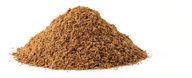 Ground nutmeg
Use 75% to 80% of the weight. Derived from the seed of the same tree, it shares the flavour profile but is heavier, sweeter, and more pungent.
- Ground cinnamon (cassia)
Use 50% of the weight. Adds warming sweetness, but lacks mace's savoury, elegant floral notes.


- Ground nutmeg
Use equal weight, or roughly 1/2 teaspoon for half a whole nutmeg. Stir in near the end of cooking as pre-ground loses aroma quickly.
- Mace blade
Use about 70% of the weight, finely ground. Mace comes from the same fruit and provides a very similar but slightly lighter, more floral warmth.
- Ground mace
Use equal weight. Delivers a slightly sharper, more delicate sweetness to rich kormas and biryanis.
Similar spice mixtures
- Same: Khas Garam Masala shares cumin seeds, green cardamom, cloves, cinnamon, and nutmeg with this dish.
- Different: It adds a large amount of black peppercorns, but omits the black cardamom, fenugreek seeds, aniseed, bay leaf, and mace found in this dish.
- Same: Tandoori Chaat Masala shares several core spices with this dish, including cumin seeds, fenugreek, green cardamom, cloves, cinnamon, and mace.
- Different: Tandoori Chaat Masala adds amchoor, black salt, yellow chilli powder, black peppercorn, dried mint, ginger, ajwain, and asafoetida, but omits the black cardamom, aniseed, nutmeg, and bay leaf used in this dish.
- Same: Both are dry spice blends built on cumin, black cardamom, green cardamom, cloves, cinnamon, bay leaves, mace, and nutmeg.
- Different: Garam Masala (II) adds black peppercorns, coriander, fennel, black cumin, ginger, and rose petals, while leaving out the fenugreek seeds and aniseed present in this dish.
- Same: Dhansak Masala shares fenugreek seeds, cloves, and black cardamom pods with this dish.
- Different: It is a three-ingredient blend made with equal parts of those spices, omitting the cumin, green cardamom, aniseed, cinnamon, bay leaf, mace, and nutmeg used in this dish.