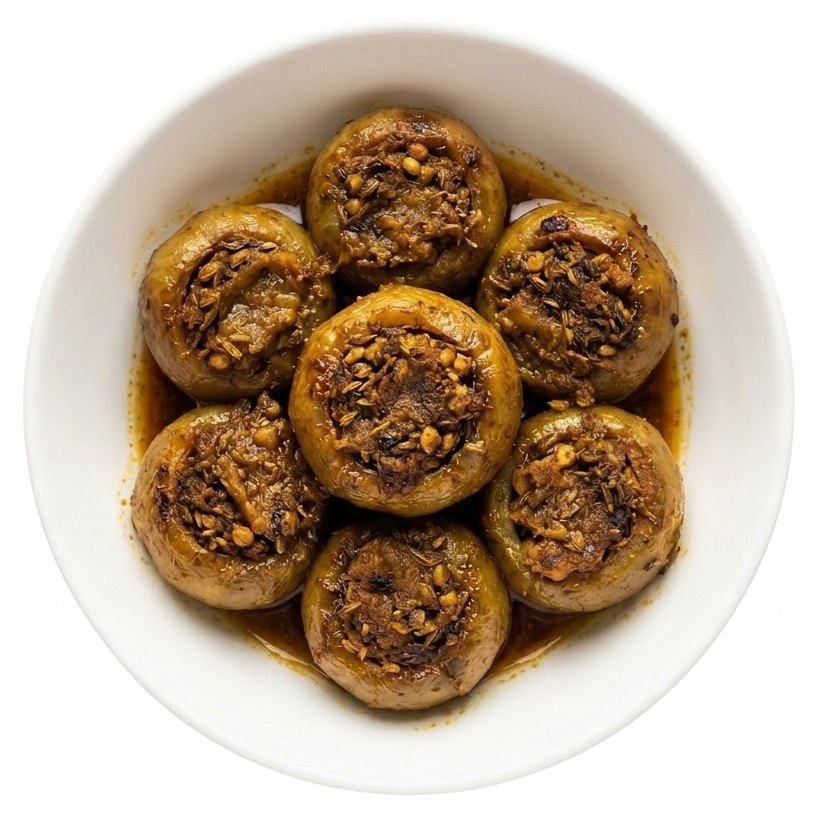
Bharwan Tinde
Whole round gourds hollowed out and packed with spiced fruit-and-pulp stuffing, then gently braised until meltingly tender. The result is sweet, tart, and deeply aromatic.
Stuffing spices
8 gMixed with the chopped gourd flesh and sultanas in step 2Tempering spices
1.4 gBloomed in the hot ghee in step 3Everything else

Method
- Slice the stem tops off 500 g peeled round gourds (tinda) and carefully scoop out the pulp with a spoon, leaving the outer shells whole. Discard any woody seeds, finely chop the remaining soft flesh, and place it in a bowl.
- Combine the chopped pulp with 5.8 g salt, 10 g sultanas, and the stuffing spices. Mix well and pack the filling tightly into each hollowed gourd.
- Heat 100 g ghee in a wide, heavy-based pan set over medium heat. Tip in the tempering spices and sizzle for about 1 minute until aromatic.
- Remove the pan from the heat and arrange the stuffed gourds base-down in a single layer. Pour in 500 ml water.
- Cover with a tight-fitting lid and cook over low heat for 20 to 30 minutes, until the gourds are tender when pierced.
Don't have something?


 Courgette
Use the same weight; it is softer and wetter, so salt and drain 10 minutes and cook 5 minutes less.
 Bottle gourd
Use the same weight; peel and cube. Similar mild taste but releases water, so simmer uncovered.
 Chayote
Use the same weight; peel, cube and parboil 5 minutes. Firmer and stays crisp.


 Ground ginger
Use 50% of the weight. Mimics turmeric's warm, earthy, rhizome background, but provides none of the golden-yellow colour.
 Saffron
Steep a tiny pinch (0.1 g per 2 g turmeric) in 2 tbsp warm water; use to match the rich golden hue. Contributes an aristocratic, honeyed floral flavour rather than earthy bitterness.


 Red chilli powder
Use 100% of the weight. Provides direct, sharp heat and red colour in equal measure.
 Kashmiri chilli powder
Use 150% to 200% of the weight if matching colour, but add a pinch of black pepper or hot chilli if you need equivalent fiery heat.
 Cayenne pepper
Use 75% to 100% of the weight. Offers a sharp, clean heat with slightly less earthy depth and less crimson colour.


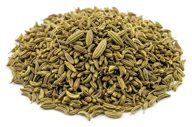
 Fennel seed
Grind whole seeds finely; use equal weight (1:1). Provides a fresh, sweet, aniseed aroma that is slightly stronger than pre-ground powder.
 Aniseed
Grind finely; use 75% to 80% of the weight. Has a sharper, sweeter liquorice taste with less of fennel's herbal earthiness.
 Star anise
Grind whole star anise finely; use 30% to 40% of the weight. Very potent aniseed flavour that easily overpowers a dish if not used sparingly.


 Ground coriander
Use 75% of the weight; stir in along with wet masala or tomato purée rather than frying in hot oil, as the fine powder burns instantly.
 Cumin seed
Use 50% of the weight for tempering in hot oil. Lacks the floral, sweet citrus flavour of coriander, introducing warm, pungent earthiness instead.
- Fennel seed
Use 50% of the weight in tempering; provides pleasant aromatic sweetness, though noticeably aniseedy rather than citrusy.


 Lemon juice
Use 15 g (1 tbsp) for every 5 g of amchoor. Stir in at the very end off the heat; adds liquid and fresh citrus aroma rather than dry fruity tang.
 Tamarind extract
Use 75% of the weight, dissolved in a splash of warm water. Simmer briefly; darkens the gravy and provides a deeper, caramelised sourness.


 Sultana
Use the same weight; sultanas are slightly lighter and sweeter but behave the same in cooking.
 Raisin
Use the same weight; they are darker and a touch less sweet, so no major adjustment is needed.
 Dried apricot
Use the same weight, chopped small; it is more tart and firm, so soak briefly if the recipe needs softness.


 Unsalted butter
Use 120% of the weight; melt gently over low heat to avoid burning the milk solids, which will yield a softer, creamier richness rather than a nutty aroma.
 Vegetable oil
Use 85% of the weight; holds high cooking temperatures without smoking, but the final dish will lack traditional dairy depth.
 Mustard oil
Use equal weight; heat to smoking point and cool slightly before cooking, bearing in mind it introduces an assertive, pungent edge.


 Garlic powder
Use double the weight. Stir into hot oil just before adding wet ingredients; mimics the allium savoury background without the sulphurous edge.
 Garlic paste
Use 2 g for every 0.5 g of asafoetida. Sauté in oil until the raw smell clears; adds moisture and sweet allium depth.


 Ground cumin
Use 70% of the weight; add with ground spices or sauce bases rather than hot oil tempering, where it scorches quickly and turns bitter.
 Black cumin seeds
Use equal weight for oil tempering. Delivers an earthy profile with an additional musky, smoky, and slightly bitter edge.
- Fennel seed
Use 60% of the weight for tempering; offers comparable warm aroma, but leans sweet and liquorice-like rather than savoury and earthy.


Similar dishes

- Same: Both recipes are cooked in ghee and share identical amounts of cumin seed, asafoetida, turmeric, chilli powder, coriander seeds, and tart amchoor.
- Different: Instead of braising hollowed round gourds with ground fennel, Zimikand-Matar simmers elephant's foot yam and green peas in a saucy base of tomatoes, yogurt, and garam masala.
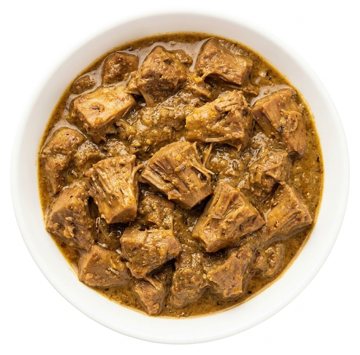
- Same: Both are braised vegetable dishes seasoned with cumin seeds, turmeric, chilli powder, asafoetida, and amchoor.
- Different: Kathhal ki Subzi braises browned jackfruit in a spiced yogurt gravy with garam masala, whereas this dish stuffs whole round gourds with spiced pulp and fennel seeds.
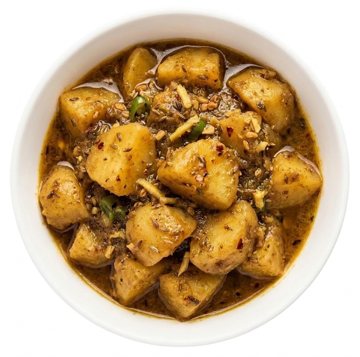
- Same: Khatte Aloo shares with this dish the use of amchoor as the souring agent, plus asafoetida, cumin seed, chilli powder, and turmeric.
- Different: Khatte Aloo uses mustard oil and potato chunks, while this dish uses ghee and whole hollowed round gourds stuffed with a raisin-and-spice pulp and braised.

- Same: Both dishes feature whole vegetables stuffed with a spiced filling seasoned with cumin, coriander, turmeric, chilli powder, and asafoetida.
- Different: Bhareli Vangi stuffs aubergines with a paste of fresh coconut, sesame seeds, jaggery, ginger, garlic, and garam masala cooked in vegetable oil, rather than round gourds prepared with fennel, amchoor, and ghee.