
Aoshi
A robust Naga-style pork curry simmered with umami-rich fermented soya beans and freshened with chopped tomatoes. The resulting broth is deeply savoury, sharp, and fiery.
Aromatic spice mix
31 gStirred into the simmering pork with the tomatoes (step 3)Everything else

Method
- Pour 2 litres of water into a large, heavy-bottomed pan and mix in 200 g fermented soya bean paste. Place over high heat and bring to a rolling boil.
- Lower 1000 g pork into the boiling liquid. Cook at a steady boil for 30 minutes, or until the pork pieces are tender.
- Add 240–360 g tomato and the aromatic spice mix to the pan. Cook for around 5 minutes, stirring occasionally, until the sauce visibly thickens.
- Season to taste with salt, stir well, and take the pan off the heat.
Don't have something?


 Fermented soya bean
Use the same weight, mash with a little water. Less salty and chunkier; adjust salt upwards.
 Black bean and garlic paste
Use the same weight. Garlicky and salty; reduce garlic and salt in the recipe.
 Soy sauce
Use 20–25% of the weight. Thin and salty, no body; add a little mashed cooked bean or mushroom for texture.


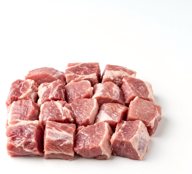
 Lamb shoulder
Use equal weight, diced similarly. Cook using the same slow braising method; lends a richer, slightly gamier flavour and retains moisture well.
 Chicken
Use equal weight of bone-in thighs. Cut into pieces and reduce simmering time by about half (cook for 25-30 minutes) to keep the meat succulent.


 Coarsely ground black pepper
Use 75% of the weight. Add midway through simmering; spreads heat evenly through the dish instead of delivering isolated bursts.
 Ground black pepper
Use 50% of the weight. Stir in near the end of cooking; significantly darkens light gravies and provides an immediate, sharp bite.


 Dried kashmiri chilli
Use equal weight whole. Fry in hot oil or ghee as tempered spice; gives a richer red colour with slightly milder heat.
 Red chilli powder
Use 50% to 70% of the weight. Stir into the oil with ground spices; distributes heat evenly throughout the dish without whole chilli skins.


 Fresh ginger
Use equal weight; peel and grate very finely on a microplane or pound to a fine paste in a mortar.
 Ginger
Use equal weight; mince finely and crush with the flat of a knife before frying.
 Ground ginger
Use 20% of the weight; add directly with the dry spice powders, though it yields an earthier, less pungent profile.


 Garlic
Use equal weight; crush or finely grate to a smooth pulp to replicate the same fresh, pungent moisture in your base gravy.
 Garlic powder
Use 20 to 25% of the weight; mix with a teaspoon of water before adding to oil so it does not burn, noting it lacks the fresh bite.


 Tomato purée
Use 40% to 50% of the fresh tomato weight mixed with a splash of water. Imparts a deeper red colour, thicker sauce, and slightly sweeter cooked flavour.
 Plain yogurt
Use 60% of the weight, whisked smooth and added on low heat. Provides rich body and sourness, though the gravy becomes paler and creamier.

Similar dishes

- Same: Both dishes simmer a base of pork with pungent fermented soybeans, garlic, and salt.
- Different: Tungrumdai incorporates vegetable oil and onion, but omits the tomatoes, dried red chillies, ginger paste, and black peppercorns found in this dish.

- Same: Tabathyu shares the same base of pork simmered with ginger, garlic, dried red chillies, and salt without any added cooking oil.
- Different: Tabathyu halves the dried red chillies and omits the tomatoes and black peppercorns featured in this dish.
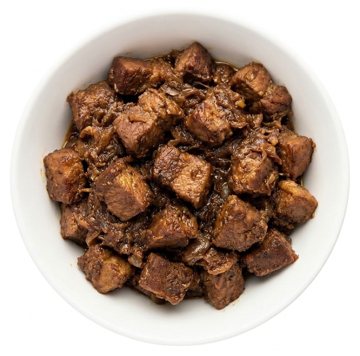
- Same: Both dishes feature pork as the main protein cooked with ginger paste, garlic paste, and salt.
- Different: Oma Eoni is fried in vegetable oil with boiled onion paste rather than simmered with tomatoes, dried red chillies, black peppercorns, and fermented soya beans.

- Same: Both are rustic pork stews simmered with fresh tomatoes, ginger paste, and chillies.
- Different: Wak Serjak introduces vegetable oil and sliced onions, uses fresh green chillies instead of dried red chillies, and omits the garlic and black peppercorns of this dish.