Indian cooking
Indian cooking / Dishes / Tungrumdai
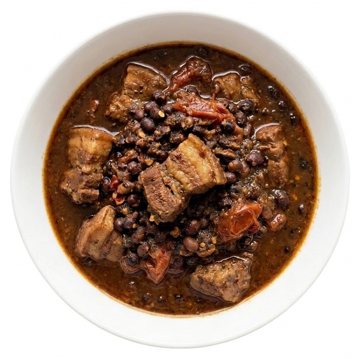
Tungrumdai (Pork with Fermented Soya Beans (Soybeans))

Tungrumdai

Pork with Fermented Soya Beans (Soybeans)
Non-vegetarian●●●Origin Tribal North East IndiaPrep 20 minutesCook 45 minutes

A deeply savoury Northeastern Indian pork curry enriched with pungent fermented soya beans and nutty sesame seeds. The pork simmers until tender in an earthy, rich gravy.

Garlic paste

31 gFried with the onions in the pan (step 1)
Keep ready to add directly to the hot oil.

Everything else

01
9 g2 teaspoons
oil/fat
02
20 g2 tablespoons
vegetable
04
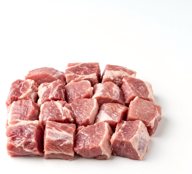
Pork · Suar ka Goshtcut into 5-cm / 2-inch pieces
1000 g
meat
05
to taste
salt

Method

  1. Warm 9 g vegetable oil in a large skillet or frying pan set over medium heat. Tip in 2 tablespoon chopped onion along with the garlic paste masala and fry for 5 to 7 minutes until golden brown.
  2. Tumble in 200 g fermented soya beans and 1000 g pork (cut into 5-cm / 2-inch pieces), frying for 7 to 8 minutes until the meat is lightly browned on all sides.
  3. Pour in 250 ml water, bring to a simmer, and cook for roughly 30 minutes until the pork becomes tender, adding a splash more water if the liquid reduces too quickly.
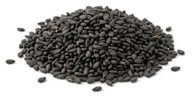
  4. Stir in 1 teaspoon ground sesame seeds and salt to taste, then continue cooking for a final 15 minutes before taking the pan off the heat.

Don't have something?

Vegetable oil
  • Peanut oil

    Use 1:1 by weight. Handles high-heat frying identically and introduces a very subtle, pleasant nuttiness.

  • Ghee

    Use 1:1 by weight. Yields a much richer, authentic aroma and a glossy, heavier mouthfeel.

  • Mustard oil

    Use 1:1 by weight. Heat until smoking, then cool slightly before cooking to temper its intensely pungent, sharp mustard kick.

Onion
  • Shallot

    Use equal weight, finely sliced. Shallots soften and brown faster, giving a slightly sweeter and more delicate base to curries.

  • Cabbage

    Use 80% of the weight, finely shredded and browned slowly with a pinch of asafoetida. Replicates the bulk and natural sweetness in gravies without allium.


Garlic paste
  • Garlic

    Use equal weight; crush or finely grate to a smooth pulp to replicate the same fresh, pungent moisture in your base gravy.

  • Garlic powder

    Use 20 to 25% of the weight; mix with a teaspoon of water before adding to oil so it does not burn, noting it lacks the fresh bite.

Fermented soya bean
  • Fermented soya bean paste

    Use the same weight, mash smooth. Saltier and less chunky; reduce added salt and sugar slightly.

  • Black bean and garlic paste

    Use the same weight, rinse if very salty and mash. Garlicky and salty; reduce garlic and salt elsewhere.

  • Soy sauce

    Use 25% of the weight. Gives salt and umami but no bean texture; add towards the end.

Pork
  • Lamb shoulder

    Use equal weight, diced similarly. Cook using the same slow braising method; lends a richer, slightly gamier flavour and retains moisture well.

  • Chicken

    Use equal weight of bone-in thighs. Cut into pieces and reduce simmering time by about half (cook for 25-30 minutes) to keep the meat succulent.

Black sesame seed
  • White sesame seed

    Use the same weight and toast lightly; the flavour is close but the colour will be paler.

  • Sesame seed

    Use the same weight; toast gently and crush if a black sesame paste is needed.

Similar dishes

Aoshi
Pork with Fermented Soya Beans (Soybeans) & Tomatoes
Aoshi is tangier and much spicier than this dish because of the tomatoes and chillies.
  • Same: Aoshi also features pork simmered into a savoury curry seasoned with garlic and salt.
  • Different: Aoshi cooks without added cooking oil or onion, instead adding fresh tomatoes, ginger, black peppercorns, and dried red chillies.
Oma Eoni
Fried Pork
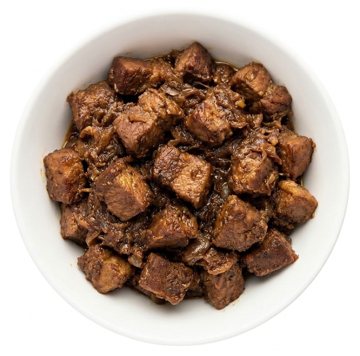
Oma Eoni has a sharper, ginger-led profile and lacks the pungent, earthy, and nutty richness of this dish.
  • Same: Oma Eoni shares the same base of one kilogram of pork cooked with onion, garlic paste, salt, and vegetable oil.
  • Different: Oma Eoni incorporates ginger paste and more vegetable oil while frying dry, omitting the fermented soybeans and sesame seeds used in this dish.
Tabathyu
Naga-style Pork Stew
Tabathyu has a lighter, brothier profile with sharp heat from dried chillies rather than the richer, onion-led savouriness of this dish.
  • Same: Tabathyu shares the same base of pork simmered with garlic paste and salt.
  • Different: Tabathyu adds dried red chillies and ginger paste while omitting the vegetable oil and onion used in this dish to cook as an oil-free stew.
Oma Bedoi Saonai
Barbecued Pork
It tastes purely of salted, smoky charred pork rather than the pungent, allium-rich flavor of this dish.
  • Same: Both dishes feature pork as the primary ingredient seasoned simply with salt.
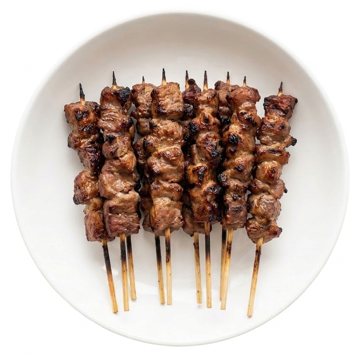
  • Different: Oma Bedoi Saonai is skewered and grilled dry over coals instead of being simmered into a gravy with vegetable oil, onion, and garlic paste.