
Pinni
These traditional Punjabi sweets are rich, buttery confections made from toasted flour and caramelized milk solids studded with dried fruit and nuts. They offer a fragrant, crumbly texture with a deeply nutty and sweet flavour.
Ingredients
Method
- Warm 250 g ghee in a heavy-based pan over medium heat. Stir in 280 g flour and fry for 3 to 4 minutes, stirring constantly until lightly browned, then take the pan off the heat.
- In a separate pan, toast 2 cups crumbled khoya without oil, stirring continuously for 5 to 7 minutes until pale golden.
- Take the pan off the heat and stir in the toasted flour mixture. Thoroughly mix in 300 g granulated sugar, 15 raisins, 10 blanched and slivered nuts, and 10 blanched almonds.
- While the mixture is still warm, compress and roll it between your palms into 20 smooth round balls.
Don't have something?


 Unsalted butter
Use 120% of the weight; melt gently over low heat to avoid burning the milk solids, which will yield a softer, creamier richness rather than a nutty aroma.
 Vegetable oil
Use 85% of the weight; holds high cooking temperatures without smoking, but the final dish will lack traditional dairy depth.
 Mustard oil
Use equal weight; heat to smoking point and cool slightly before cooking, bearing in mind it introduces an assertive, pungent edge.


 Wholemeal flour
Use the same weight; it is very close, but add water slowly as it can be coarser and absorb more.
 Plain flour
Use the same weight but reduce water by about 10%; the dough is softer and the flavour less nutty.
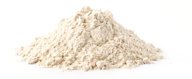 Flour
Use the same weight as a plain-flour swap; reduce water slightly and expect a lighter, less wheaty result.


 Whole milk
Use 4 times the weight of milk; simmer and stir continuously in a wide heavy pan until reduced to a dense, fudgy paste.
 Paneer
Use equal weight of finely crumbled or grated paneer mixed with 15% single cream; gives similar body but a less caramelised, milk-solid flavour.
 Single cream
Simmer gently until heavily reduced, or stir in directly at 70% weight; produces rich gravies without the granular bite of khoya.


 Jaggery
Use equal weight; grate or shave finely so it dissolves rapidly, giving a warm, caramel-like sweetness and slightly darker sauce.


 Dried plum
Use equal weight, pitted and finely chopped. Lends a deeper, slightly more tart sweetness to curries and rice dishes.
 Cashew nut
Use equal weight. Fry lightly in ghee until golden; substitutes the burst of sweetness with a rich, buttery crunch.
- Jaggery
Use 30% of the weight, finely grated. Dissolve straight into the sauce to match the intended sweetness, though without the fruity chew.


 Pistachio
Use the same weight; blanch and peel for a bright paste. This is the closest match.
 Almond
Use the same weight; blanch and peel. It is firmer, so grind a little longer and add a drop of milk if needed.
- Cashew nut
Use the same weight; soak in hot water for 15 minutes. It is softer and sweeter, so reduce sugar slightly.


- Cashew nut
Use equal weight. Soak in warm water and grind to a paste or fry identically; yields a slightly creamier and sweeter sauce.
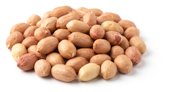 Shelled peanut
Use equal weight. Lightly roast, skin, and grind; introduces a heavier body and a pronounced roasted-nut aroma.
Similar dishes

- Same: Lachha Paratha shares whole wheat flour and ghee with this dish.
- Different: It uses salt rather than sugar, khoya, raisins, pistachios, or almonds, and its dough is pleated, coiled, and cooked on a griddle, while this dish is a sweet made from toasted flour and milk solids.

- Same: Girda shares whole wheat flour, ghee, and sugar with this dish.
- Different: Girda also uses plain flour, yogurt, baking powder, salt, and poppy seeds and is fermented and baked, while this dish uses khoya, raisins, pistachios, and almonds and is a toasted-flour sweet.

- Same: Both are khoya-based Indian sweets with sugar, raisins and pistachios, and both include nuts and dried fruit.
- Different: Mawe ki Kachori is a crisp stuffed pastry made from plain flour, baking soda, salt and vegetable oil, flavored with cardamom, chironji, lime juice and rosewater and soaked in sugar syrup; this dish is a ghee-toasted whole-wheat flour bonbon mixed with khoya, sugar and nuts, with no pastry shell or syrup.
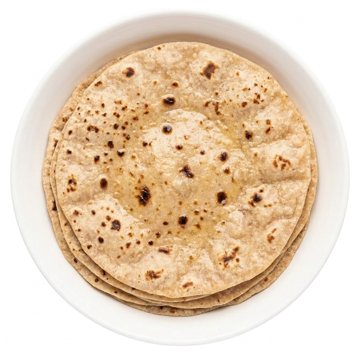
- Same: Both dishes rely on wheat flour as their primary foundation.
- Different: Chapaati is an unleavened dough cooked dry on a griddle with just a pinch of salt, lacking the ghee, khoya, sugar, and almonds used to bind this dish.