Indian cooking
Girda (Kashmiri Fermented Bread)

Girda

Kashmiri Fermented Bread
VegetarianOrigin Jammu and KashmirPrep 1 hour, plus fermenting timeCook 10-15 minutes

These traditional Kashmiri flatbreads are prepared with an overnight-fermented starter and an enriched wholemeal dough. Baked until gently puffed, they feature a soft, slightly tangy interior beneath a crisp crust studded with poppy seeds.

Topping seeds

2.8 gScattered over the shaped dough (step 4)
01
2.8 g1 teaspoon
spice
Keep whole: they are sprinkled directly over the unbaked dough.

Everything else

03
13 g1 tablespoon
oil/fat
04
2.9 g½ teaspoon
salt
05
13 g1 tablespoon
sweetener
06
4 g1 teaspoon
other
07
15 g1 tablespoon
dairy

Method

  1. Combine 250 g plain flour with 250 ml water in a bowl, mixing by hand into a smooth paste. Cover and leave at room temperature overnight to ferment.
  2. The next day, preheat your oven to 180°C (350°F).
  3. Sift 250 g wholemeal flour into a wide mixing bowl, then blend in 13.2 g ghee, 2.9 g salt and 12.6 g granulated sugar. Knead in the overnight fermented dough along with 1 teaspoon baking powder, introducing small amounts of water as needed until the mixture forms a supple, non-sticky dough.
  4. Divide the dough into 8 portions and press each piece into a flat oval. Slice an opening into one edge of each bread and spoon in 15 g plain yogurt, distributing it evenly among them. Indent the surfaces with your fingertips and scatter the topping seeds on top.
  5. Bake for 10 to 15 minutes, removing the breads once they have risen and developed a pale golden-brown crust.

Don't have something?

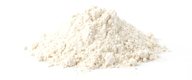
Plain flour
  • Whole wheat flour

    Use the same weight, add 10–15% more water and rest the dough for 20 minutes; the result is heavier and nuttier.

  • Rice flour

    Use the same weight for crisp coatings; for doughs use no more than half rice flour with wheat flour, or it will be crumbly.

  • Cornflour

    For thickening use half the weight, mixed with cold water; it is not suitable for bread or chapati dough.

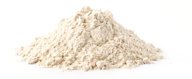
Whole wheat flour
  • Wholemeal flour

    Use the same weight; it is very close, but add water slowly as it can be coarser and absorb more.

  • Plain flour

    Use the same weight but reduce water by about 10%; the dough is softer and the flavour less nutty.

  • Flour

    Use the same weight as a plain-flour swap; reduce water slightly and expect a lighter, less wheaty result.

Ghee
  • Unsalted butter

    Use 120% of the weight; melt gently over low heat to avoid burning the milk solids, which will yield a softer, creamier richness rather than a nutty aroma.

  • Vegetable oil

    Use 85% of the weight; holds high cooking temperatures without smoking, but the final dish will lack traditional dairy depth.

  • Mustard oil

    Use equal weight; heat to smoking point and cool slightly before cooking, bearing in mind it introduces an assertive, pungent edge.

Granulated sugar
  • Jaggery

    Use equal weight; grate or shave finely so it dissolves rapidly, giving a warm, caramel-like sweetness and slightly darker sauce.

Baking powder
  • Baking soda

    Use 25% of the baking powder's weight (e.g. 1 g for 4 g) and add 2 g cream of tartar or 1 tsp lime juice per 100 g flour. Mix quickly and bake at once.


  • Bicarbonate of soda

    Same as baking soda: use 25% of the weight with an acid such as cream of tartar, lemon juice or yogurt. Expect a slightly soapy taste if overused.

  • Self-raising flour

    Replace the plain flour plus baking powder with the same weight of self-raising flour; omit added baking powder and reduce salt slightly.

Plain yogurt
  • Yogurt

    Use equal weight, whisked thoroughly until smooth before adding to hot dishes to prevent curdling.

  • Coconut milk

    Use equal weight with 1 teaspoon lemon juice mixed in. Provides rich creaminess in curries, but adds a noticeable coconut flavour.

  • Single cream

    Use 80% of the weight plus a squeeze of lemon juice for acidity. Enriches sauces nicely, though it is richer and less tangy.

Poppy seed
  • Cashew nut

    Use equal weight. Soak in warm water for 20 minutes and grind to a smooth paste; produces an even creamier, slightly richer gravy than poppy seeds.

  • White sesame seed

    Use equal weight. Soak and grind finely; provides similar thickening and body with a slightly nuttier, faintly bitter edge.

  • Almond

    Use equal weight. Blanch, peel, and grind finely with a splash of water; lends a velvety body and gentle sweetness to gravies.

Similar dishes

Bhatura
Deep-fried Bread
Bhatura has a richer, more pronounced sour tang from the extra yogurt and frying oil, but lacks the nutty flavor and crunch of this dish's poppy seeds.
  • Same: Both are leavened flatbreads made with yogurt and sugar to create a soft, slightly tangy interior.
  • Different: Bhatura is deep-fried using vegetable oil and a much higher quantity of yogurt, whereas this dish is baked with ghee and topped with poppy seeds.
Ulte Tawe ka Paratha
Paratha Cooked on the Griddle
Ulte Tawe ka Paratha tastes delicately sweet and aromatic from khus and cashew, with a tender flaky texture, while this dish tastes slightly tangy with a soft interior and a crisp poppy-seed crust.
  • Same: Ulte Tawe ka Paratha and this dish are both flatbreads made with plain flour, baking powder, sugar, and ghee.
  • Different: Ulte Tawe ka Paratha adds cashew paste, milk, and khus essence and is cooked on an inverted griddle with ghee, while this dish uses whole wheat flour, yogurt, and poppy seeds and is baked.
Malabari Paratha
Paratha from Malabar
Malabari Paratha tastes rich and buttery with a crisp, flaky crumb, while this dish tastes soft, gently tangy, and puffed with a poppy-seed crust.
  • Same: Both are flatbreads made with flour, baking powder, salt, and sugar.
  • Different: Malabari Paratha uses plain flour, egg, milk, and butter and is layered and flaky, while this dish uses plain and whole wheat flour, ghee, yogurt, and poppy seeds, relies on an overnight ferment, and is baked.
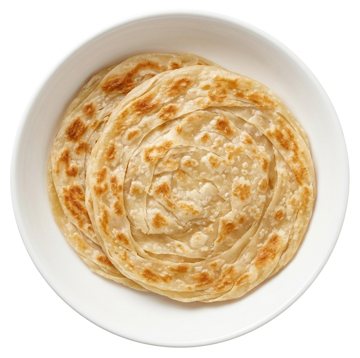
Lachha Paratha
Coiled Paratha
Lachha Paratha tastes rich, buttery, crisp, and mildly salty, without the slight tang, light sweetness, or poppy-seed crust of this dish.
  • Same: Lachha Paratha shares with this dish a whole-wheat flatbread base, ghee as the fat, and a crisp outside with a soft interior.
  • Different: Lachha Paratha uses only whole wheat flour, about three times as much ghee, almost no salt, and no sugar, yogurt, baking powder, or poppy seeds; it is griddled from pleated coils rather than baked from a fermented dough.