Indian cooking
Indian cooking / Dishes / Lachha Paratha
Lachha Paratha (Coiled Paratha)

Lachha Paratha

Coiled Paratha
VegetarianOrigin PunjabPrep 1 hour, plus standing timeCook 30 minutesMakes 6–8

A flaky, multi-layered North Indian flatbread made by pleating and coiling enriched dough. Cooked on a hot griddle with ghee, it turns out crisp and golden on the outside with soft, tender layers within.

Ingredients

01
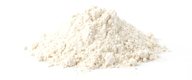
Whole wheat flour · Attaplus extra for dusting
360 g
flour
02
40–53 g3–4 tablespoons
oil/fat
03
~0.3 gpinch
salt
04
Gheemelted, for brushing
to taste
oil/fat

Method

  1. Sift 360 g flour and 0.3 g salt into a large mixing bowl. Incorporate 39.6–52.8 g ghee, then gradually mix in just enough water to form a cohesive, non-sticky dough.
  2. Turn the dough onto a lightly floured counter and knead for 5 minutes until smooth. Transfer to a lightly oiled bowl, cover with a damp dish towel, and leave to rest in a warm area for about 1 hour.
  3. Knead the rested dough briefly, then divide into 6 equal portions and shape each into a smooth ball.
  4. On a lightly floured surface, roll one dough ball into a round roughly 20 cm (8 inches) wide. Spread about a teaspoon of melted ghee across the top and dust lightly with flour.
  5. Pleat the dough accordion-style from one side to the other into a single flat strip, then roll the strip into a tight spiral coil.
  6. Flatten the coiled disc gently between your palms or roll it out softly with a rolling pin into a thick paratha about 18 cm (7 inches) in diameter, avoiding heavy pressure to keep the layers intact.
  7. Heat a heavy skillet, tawa, or griddle over medium-high heat (or prepare a moderately hot tandoor, brushing the underside with water before sticking to the wall). Place the paratha in the dry pan and cook until lightly browned on both sides.
  8. Lower the heat to low, brush the paratha with melted ghee, and fry, pressing down across the top and edges with the back of a spoon to ensure even cooking throughout. Once both sides are rich golden-brown and crisp, transfer to a plate and repeat with the remaining dough balls.

Don't have something?

Whole wheat flour
  • Wholemeal flour

    Use the same weight; it is very close, but add water slowly as it can be coarser and absorb more.

  • Plain flour

    Use the same weight but reduce water by about 10%; the dough is softer and the flavour less nutty.

  • Flour

    Use the same weight as a plain-flour swap; reduce water slightly and expect a lighter, less wheaty result.

Ghee
  • Unsalted butter

    Use 120% of the weight; melt gently over low heat to avoid burning the milk solids, which will yield a softer, creamier richness rather than a nutty aroma.


  • Vegetable oil

    Use 85% of the weight; holds high cooking temperatures without smoking, but the final dish will lack traditional dairy depth.

  • Mustard oil

    Use equal weight; heat to smoking point and cool slightly before cooking, bearing in mind it introduces an assertive, pungent edge.

Similar dishes

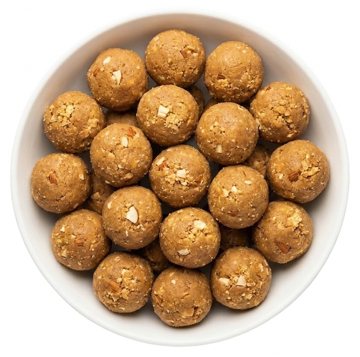
Pinni
Bonbons
Pinni is sweet, nutty, and crumbly from sugar and dried fruit, while this dish is crisp, layered, and savory with salt and ghee.
  • Same: Pinni shares whole wheat flour and ghee with this dish.
  • Different: Pinni adds khoya, sugar, raisins, pistachios, and almonds and is a sweet confection, while this dish is a salted flatbread cooked on a griddle.
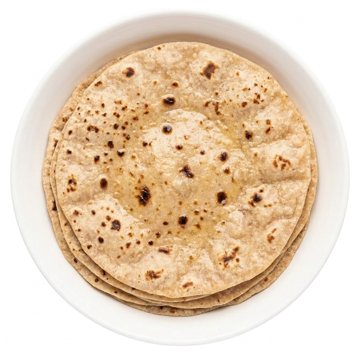
Chapaati
Chapati
Chapaati has a lighter, plain toasted wheat flavor, lacking the rich, buttery taste and crisp, flaky texture of this dish.
  • Same: Both are unleavened, griddle-cooked Indian flatbreads seasoned with salt.
  • Different: Chapaati is rolled flat and cooked on a dry griddle without fat, lacking the ghee and the pleated, multi-layered lamination of this dish.
Phulka
Puffed Bread
Phulka has a lighter, mildly toasted wheat flavor without the rich, salty, buttery taste and crisp exterior of this dish.
  • Same: Both are unleavened wheat flatbreads that develop tender, layered interiors when cooked over heat.
  • Different: Phulka uses vegetable oil instead of ghee, contains no salt, and puffs directly over heat without being pleated, coiled, or pan-fried in fat like this dish.
Bhakri
Maharashtrian Bread
It tastes earthy, toasted, and lean rather than rich, buttery, and flaky like this dish.
  • Same: Both are Indian flatbreads seasoned simply with salt and cooked on a hot griddle to achieve a crisp exterior and tender interior.
  • Different: Bhakri is rolled flat and dry-roasted, completely omitting the ghee, pleating, and layered coiling used in this dish.