Indian cooking
Indian cooking / Dishes / Papite ka Achar
Papite ka Achar (Papaya Pickle)

Papite ka Achar

Papaya Pickle
Vegetarian●●●Origin PunjabPrep 35–40 minutes, plus cooling and standing timeMakes 500g / 1lb 2oz

A fragrant, savoury Indian papaya pickle infused with whole seeds, ginger, and garlic in spiced oil. It balances the gentle texture of cooked papaya with earthy cumin, aniseed, and a kick of chilli.

Tempering spices

8 gFried in hot oil with aromatics (step 2)
01
0.7 g¼ teaspoon
spice
02
2.1 g1 teaspoon
spice
03
2.1 g1 teaspoon
spice
04
3 g1 teaspoon
spice
Leave whole and mixed together; they go straight into the hot oil.

Chilli powder

2.6 gStirred into the cooled oil with the papaya (step 3)
01
2.6 g1 teaspoon
spice
Keep as a dry powder ready to stir into the cooled oil.

Everything else

01
500 g1 papaya
vegetable
02
456 g500 ml
oil/fat
03
18 g6 cloves
aromatic
04
6 g1 tablespoon
aromatic
05
to taste
salt

Method

  1. Bring 1 litre of water to a boil in a large pan, drop in 1 peeled papaya, and simmer for roughly 10 minutes until tender. Drain thoroughly and spread the papaya out over a baking tray to dry completely.
  2. Warm 456 g vegetable oil in a large pan set over medium heat. Add 18 g crushed garlic, 6 g sliced fresh ginger, and the tempering spices, then fry while stirring constantly for about 2 minutes. Take the pan off the heat and allow the spiced oil to cool completely.
  3. Stir the chilli powder, the dried papaya, and salt to taste into the cooled oil. Cover the pan with a piece of muslin and let everything infuse overnight at room temperature.
  4. Transfer the pickle into clean, sterilised glass jars and seal tightly.

Don't have something?

Green papaya
  • Raw papaya

    Use the same weight; peel, deseed and grate or dice as the recipe asks. It behaves almost identically.

  • Unripe papaya

    Use the same weight and prepare in the same way; choose a firm, pale-fleshed fruit.

  • Green mango

    Use the same weight, peeled and deseeded, but expect a sharper sourness; reduce lemon or tamarind in the dish slightly.

Vegetable oil
  • Peanut oil

    Use 1:1 by weight. Handles high-heat frying identically and introduces a very subtle, pleasant nuttiness.

  • Ghee

    Use 1:1 by weight. Yields a much richer, authentic aroma and a glossy, heavier mouthfeel.

  • Mustard oil

    Use 1:1 by weight. Heat until smoking, then cool slightly before cooking to temper its intensely pungent, sharp mustard kick.

Asafoetida
  • Garlic powder

    Use double the weight. Stir into hot oil just before adding wet ingredients; mimics the allium savoury background without the sulphurous edge.

  • Garlic paste

    Use 2 g for every 0.5 g of asafoetida. Sauté in oil until the raw smell clears; adds moisture and sweet allium depth.

Garlic
  • Garlic paste

    Use equal weight. Fry gently in oil or ghee with the ginger; incorporates smoothly into curries without visible minced bits.

  • Garlic powder

    Use 15% to 20% of the weight (about 1 g for every 5 to 6 g fresh cloves). Whisk into sauces; gives a savoury, toasted garlic flavour without raw pungency.

  • Shallot

    Use 1.5 times the weight, very finely minced. Sauté until golden; provides savoury allium sweetness, though it lacks garlic's pungent sulphur bite.

Cumin seed
  • Ground cumin

    Use 70% of the weight; add with ground spices or sauce bases rather than hot oil tempering, where it scorches quickly and turns bitter.

  • Black cumin seeds

    Use equal weight for oil tempering. Delivers an earthy profile with an additional musky, smoky, and slightly bitter edge.

  • Fennel seed

    Use 60% of the weight for tempering; offers comparable warm aroma, but leans sweet and liquorice-like rather than savoury and earthy.

Aniseed
  • Fennel seed

    Use equal weight. Fry or grind as directed; slightly greener and less intensely sweet, but the closest liquorice-adjacent match.

  • Star anise

    Use 50% of the weight. Grind finely or infuse whole in simmering liquid and discard before serving; delivers a stronger, woodier liquorice profile.

Ground turmeric
  • Ground ginger

    Use 50% of the weight. Mimics turmeric's warm, earthy, rhizome background, but provides none of the golden-yellow colour.

  • Saffron

    Steep a tiny pinch (0.1 g per 2 g turmeric) in 2 tbsp warm water; use to match the rich golden hue. Contributes an aristocratic, honeyed floral flavour rather than earthy bitterness.

Fresh ginger
  • Ginger paste

    Use equal weight. Sauté in hot fat until the raw allium smell disappears; slightly wetter, but provides identical warmth and pungency.

  • Ground ginger

    Use 20% to 25% of the weight (1 g for every 4 to 5 g fresh). Stir into the gravy; adds peppery heat and warmth, though it misses the crisp, zesty kick of raw root.


Chilli powder
  • Red chilli powder

    Use 100% of the weight. Provides direct, sharp heat and red colour in equal measure.

  • Kashmiri chilli powder

    Use 150% to 200% of the weight if matching colour, but add a pinch of black pepper or hot chilli if you need equivalent fiery heat.

  • Cayenne pepper

    Use 75% to 100% of the weight. Offers a sharp, clean heat with slightly less earthy depth and less crimson colour.

Similar dishes

Heeng Jeere ke Aloo
Asafoetida & Cumin-flavoured Potatoes
Heeng Jeere ke Aloo is crisp and tangy with earthy cumin notes, lacking the pungent garlic and licorice-like aniseed flavor of this dish.
  • Same: Both dishes share a spice foundation of cumin seeds, asafoetida, fresh ginger, ground turmeric, and chilli powder.
  • Different: Heeng Jeere ke Aloo sautés potatoes in ghee with fresh green chillies instead of preserving papaya in a large quantity of vegetable oil, garlic, and aniseed.
Torai
Snake Gourd Curry
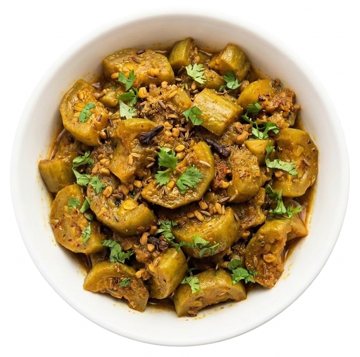
Torai is milder, earthy, and lightly spiced with cloves and coriander rather than pungent and aromatic with garlic, aniseed, and hot spiced oil.
  • Same: Torai shares cumin seed, asafoetida, fresh ginger, turmeric, and chilli powder with this dish.
  • Different: Torai is a braised snake gourd curry cooked with much less fat, adding fenugreek seeds, cloves, and coriander while omitting the garlic, aniseed, and heavy oil base used for this pickle.
Hari Matar ke Kofte
Green Gram Balls in Yoghurt Sauce
Hari Matar ke Kofte tastes tangy and yoghurt-based with crisp gram fritters and a cumin-chilli temper, while this dish tastes savoury, oily, and pickle-like with papaya, aniseed, ginger, and garlic.
  • Same: Hari Matar ke Kofte shares cumin seed, asafoetida, chilli powder, turmeric, vegetable oil, and salt with this dish.
  • Different: Hari Matar ke Kofte uses mung bean flour and yogurt for fried fritters in a curry, while this dish is a papaya pickle in heavy oil with aniseed, fresh ginger, and garlic.
Masoor ki Dal
Red or Black Dal
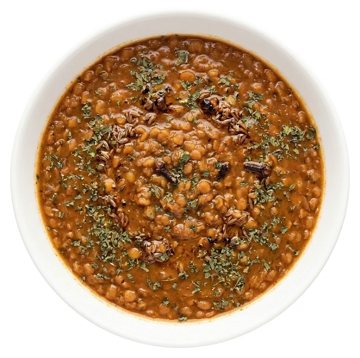
Masoor ki Dal tastes soft, mild, and minty from the lentil base and ghee tarka, while this dish tastes savoury, seed-spiced, and chilli-hot from papaya cooked in spiced oil.
  • Same: Like this dish, Masoor ki Dal uses asafoetida, turmeric, cumin seed, ginger, chilli powder, salt, and a fat.
  • Different: Masoor ki Dal uses lentils, rice cooking water, dried mint, clove, and ground coriander, and it lacks papaya, garlic, aniseed, and this dish's large quantity of oil.