Indian cooking
Indian cooking / Dishes / Mochar Paturi
Mochar Paturi (Banana Flowers Wrapped in Banana Leaves)

Mochar Paturi

Banana Flowers Wrapped in Banana Leaves
Vegetarian●●●Origin West BengalPrep 20–30 minutes, plus soaking timeCook 20 minutes

A Bengali parcel of tender banana blossoms and diced wax gourd smothered in a pungent mustard paste, wrapped in banana leaves and chargrilled until smoky.

Ground spices

5 gMixed into the vegetable filling (step 4)
01
3.8 g1¼ teaspoons
spice
02
1.3 g½ teaspoon
spice
Keep together: they go into the vegetable filling together.

Everything else

01
30 g1 piece
other
03
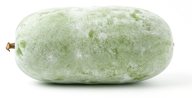
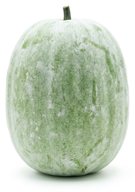
Wax gourd · Pethade-seeded and cut into dice
200 g
vegetable
04
125 g
vegetable
05
Green chilli · Hari Mirchde-seeded and chopped
36 g6 chillies
vegetable
06
to taste
salt
07
Green chilli · Hari Mirchde-seeded and chopped
12 g2 chillies
vegetable
08
4.2 g1 teaspoon
sweetener
09
Mustard oil · Sarson Ka Telplus extra for oiling
114 g125 ml
oil/fat

Method

  1. Soften 1 banana leaf over gentle heat, then cut it into 10 pieces roughly the size of your griddle or tawa.
  2. Strip the outer bracts from 250 g banana flowers to collect the florets. Discard the stiff central stamens and tough base calyxes from each blossom, finely chop the petals, and submerge them in water for at least 1 hour or overnight. Drain thoroughly and squeeze out all excess moisture.
  3. In a blender or mortar, grind 125 g mustard seeds, 12 g green chilli, 4.2 g granulated sugar, 114 g mustard oil, 2 tablespoons of water, and salt to taste into a uniform paste.
  4. Place the squeezed banana flowers into a large bowl along with 200 g wax gourd, 125 g onion, 36 g green chilli, the mustard paste, salt to taste, and the ground spices. Mix until the vegetables are evenly coated.
  5. Brush the griddle or tawa with a little extra mustard oil and lay down 5 banana leaf pieces. Spoon the vegetable mixture into the middle, cover with the remaining 5 leaf pieces, tuck the edges beneath the filling, then fold up the bottom leaves and tie them over the top into a secure parcel.
  6. Set the griddle over high heat and chargrill until each outer leaf layer burns away, leaving only the innermost leaf. Carefully flip the parcel over and repeat on the other side. Unwrap the parcel to serve.

Don't have something?

Banana leaf
  • Green cabbage

    Blanch large outer leaves for 30 seconds and use as a parcel; use the same size to wrap. No banana aroma.

  • Collard greens

    Blanch whole leaves for 1 minute and use as a wrap; slightly tougher and more peppery.

Banana flower
  • Banana stem

    Use the same weight; chop finely and cook without removing stamens. Texture is cleaner and it cooks about 5 minutes faster.

  • Cabbage

    Use the same weight, shredded; cooks 5 minutes faster and lacks the faint bitterness.

  • Cauliflower floret

    Use the same weight, chopped small; mild and firm, but not bitter.

Ground turmeric
  • Ground ginger

    Use 50% of the weight. Mimics turmeric's warm, earthy, rhizome background, but provides none of the golden-yellow colour.

  • Saffron

    Steep a tiny pinch (0.1 g per 2 g turmeric) in 2 tbsp warm water; use to match the rich golden hue. Contributes an aristocratic, honeyed floral flavour rather than earthy bitterness.

Wax gourd
  • Ash gourd

    Use the same weight; peel, deseed and cut to the same size. It holds shape slightly better, so give it 2–3 minutes more.

  • Bottle gourd

    Use the same weight; peel and deseed. It is softer and waterier, so cook 3–4 minutes less and reduce added water.

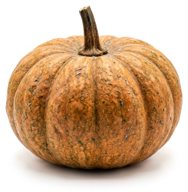
  • Pumpkin

    Use the same weight; peel and deseed. It is sweeter and softens faster, so cook 3–5 minutes less.

Onion
  • Shallot

    Use equal weight, finely sliced. Shallots soften and brown faster, giving a slightly sweeter and more delicate base to curries.

  • Cabbage

    Use 80% of the weight, finely shredded and browned slowly with a pinch of asafoetida. Replicates the bulk and natural sweetness in gravies without allium.

Chilli powder
  • Red chilli powder

    Use 100% of the weight. Provides direct, sharp heat and red colour in equal measure.

  • Kashmiri chilli powder

    Use 150% to 200% of the weight if matching colour, but add a pinch of black pepper or hot chilli if you need equivalent fiery heat.

  • Cayenne pepper

    Use 75% to 100% of the weight. Offers a sharp, clean heat with slightly less earthy depth and less crimson colour.

Green chilli
  • Chilli powder

    Use 10 to 15% of the weight (about 1/4 teaspoon per chilli); imparts dry pungent heat and reddens the dish without the grassy crunch.

  • Dried red chilli

    Use 1 dried pod per fresh green chilli; snap in half and temper in hot oil for a deeper, toastier heat.

Mustard seed
  • Black mustard seed

    Use the same weight. The seeds are smaller and hotter; fry in hot oil until they pop, about 20–30 seconds, and reduce the heat if they darken too fast. The dish will be a little sharper.

  • Yellow mustard seeds

    Use the same weight. They are milder and larger; fry a few seconds longer until they pop. The finished dish will have less pungency.

  • Ground mustard seed

    Use 70% of the weight of whole seed, added with the other ground spices rather than fried whole. You lose the popping texture and the heat comes through more evenly.


Granulated sugar
  • Jaggery

    Use equal weight; grate or shave finely so it dissolves rapidly, giving a warm, caramel-like sweetness and slightly darker sauce.

Mustard oil
  • Peanut oil

    Use equal weight. It handles high-heat cooking well, but lacks the signature pungent, nasal heat of mustard oil.

  • Vegetable oil

    Use equal weight. Neutral in flavour, so your curry will lack the characteristic Bengali or North Indian pungent punch.

Similar dishes

Vendakkai Pulussu
Okra in Tamarind Sauce
Vendakkai Pulussu tastes tangy and sweet-sour from tamarind and tomato with a curry-leaf tempering, whereas this dish is pungent with mustard and smoky from chargrilling.
  • Same: Vendakkai Pulussu shares onion, green chilli, turmeric, chilli powder, sugar and salt with this dish.
  • Different: Vendakkai Pulussu simmers okra in a tamarind and tomato gravy with vegetable oil, garlic paste and a mustard-seed, fenugreek and curry-leaf tempering, while this dish wraps banana flower and wax gourd in banana leaf with mustard paste and mustard oil.
Vazhaiappoo Vada
Plantain Flower Patties
Vazhaiappoo Vada tastes crisp and lentil-savoury with fennel-cumin aroma, whereas this dish tastes smoky and sharply pungent from mustard with softer banana blossom.
  • Same: Vazhaiappoo Vada and this dish both center on banana/plantain flower and include onion and mustard seed.
  • Different: Vazhaiappoo Vada binds ground chana dal and toor dal with yogurt into fried patties, using cumin, fennel, curry leaf and dried red chilli, while this dish lacks dals and yogurt and instead uses wax gourd, turmeric, sugar, green chilli, a large mustard-seed paste and mustard oil, wrapped in banana leaf and chargrilled.
Maachher Roast
Roast Fish
Maachher Roast tastes sweet, sour, and mildly spicy from vinegar, whereas this dish is sharp, pungent, and smoky from mustard oil and charred leaves.
  • Same: Maachher Roast shares base seasonings like turmeric, chilli powder, green chillies, onions, and sugar with this dish.
  • Different: Instead of banana blossoms wrapped in leaves and chargrilled with mustard oil, Maachher Roast uses fish pan-fried in ghee and finished in a gravy with ginger and vinegar.
Meen Dakhani
Fish Curry from Deccan
Meen Dakhani tastes tangy from tamarind and herby from coriander and curry leaf, while this dish tastes pungent from mustard and smoky from the banana-leaf chargrill.
  • Same: Meen Dakhani shares onion, green chilli, turmeric, chilli powder, mustard seed and salt with this dish.
  • Different: Meen Dakhani uses firm white fish, tamarind extract, curry leaf, coriander leaf, ginger, garlic and cumin and is simmered as a curry, while this dish uses banana flower, wax gourd and a large mustard-seed paste and is wrapped in banana leaves and chargrilled.