Indian cooking
Indian cooking / Dishes / Khasta Roti
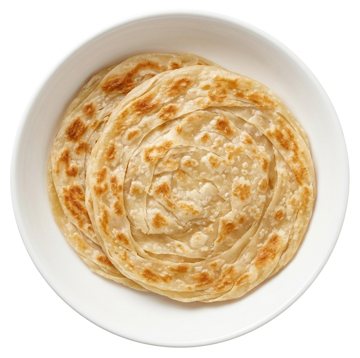
Khasta Roti (Crisp Bread)

Khasta Roti

Crisp Bread
VegetarianOrigin Punjab/DelhiPrep 45 minutes, plus standing timeCook 25–30 minutesMakes 12

These crisp, flaky unleavened flatbreads are enriched with ghee and flavoured with ajwain and aniseed, yielding a savoury, layered crunch.

Dough spices

1 gMixed into the dry ingredients (step 2)
01
1 g½ teaspoon
spice
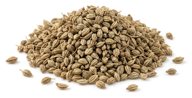
Keep whole; they will be stirred directly into the flour.

Everything else

01
129 g125 ml
dairy
02
8 g2 teaspoons
sweetener
03
~0.3 gpinch
salt
06
Gheemelted, plus extra for greasing
18 g4 teaspoons
oil/fat
07
Butter · Makhanmelted, for brushing
to taste
dairy

Method

  1. Stir 8.4 g granulated sugar and 0.3 g salt into 129 g milk until fully dissolved.
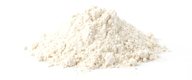
  2. Sift 400 g plain flour and 100 g semolina into a large mixing bowl, then stir in 0.5 teaspoon aniseed and the dough spices.
  3. Create a well in the centre of the dry mixture and pour in the sweetened milk. Mix gradually to form a dough, then knead on a lightly floured surface for 5 minutes. Cover with a damp cloth and leave to rest for 10 to 15 minutes.
  4. If using an oven, preheat it to 200°C (400°F) and lightly grease a baking tray with extra ghee.
  5. Gradually knead 17.6 g melted ghee into the rested dough until completely absorbed.
  6. Divide the dough into 12 equal portions, roll each into a smooth ball, and cover with a damp cloth to rest for 5 minutes.
  7. Roll out each ball into a flat disc using a rolling pin, then prick all over with a fork.
  8. Bake the breads: in a moderately hot tandoor, place using a padded cushion and bake for 2 to 3 minutes before removing with tongs; alternatively, arrange on the greased baking tray and bake in the preheated oven for about 10 minutes.
  9. Brush the hot rotis with melted butter to taste and serve warm.

Don't have something?

Milk
  • Whole milk

    Use equal weight; provides the standard rich dairy fat and body expected in creamy Indian bases.

  • Single cream

    Dilute 3 parts cream with 1 part water to match the weight; yields a richer, glossier gravy that resists curdling.

  • Plain yogurt

    Whisk thoroughly and use equal weight; adds extra body and a mild pleasant acidity, best added off the heat.

Granulated sugar
  • Jaggery

    Use equal weight; grate or shave finely so it dissolves rapidly, giving a warm, caramel-like sweetness and slightly darker sauce.

Plain flour
  • Whole wheat flour

    Use the same weight, add 10–15% more water and rest the dough for 20 minutes; the result is heavier and nuttier.

  • Rice flour

    Use the same weight for crisp coatings; for doughs use no more than half rice flour with wheat flour, or it will be crumbly.

  • Cornflour

    For thickening use half the weight, mixed with cold water; it is not suitable for bread or chapati dough.

Fine semolina
  • Semolina

    Use the same weight and pulse in a blender until fine. If not fine enough, soak 10 minutes before cooking.

  • Coarse semolina

    Use the same weight, grind finer or soak 10–15 minutes longer. Coarser texture; good for upma but not fine batters.

  • Cream of wheat

    Use the same weight. Similar fine grain; cooking time is about the same, stir well to avoid lumps.

Aniseed
  • Fennel seed

    Use equal weight. Fry or grind as directed; slightly greener and less intensely sweet, but the closest liquorice-adjacent match.

  • Star anise

    Use 50% of the weight. Grind finely or infuse whole in simmering liquid and discard before serving; delivers a stronger, woodier liquorice profile.

Ajwain seed
  • Carom seed

    Use the same weight; this is the same spice.

  • Cumin seed

    Use 75% of the weight, toasted; different, less medicinal flavour.

  • Fennel seed

    Use 50% of the weight, crushed; sweeter and milder.

Ghee
  • Unsalted butter

    Use 120% of the weight; melt gently over low heat to avoid burning the milk solids, which will yield a softer, creamier richness rather than a nutty aroma.


  • Vegetable oil

    Use 85% of the weight; holds high cooking temperatures without smoking, but the final dish will lack traditional dairy depth.

  • Mustard oil

    Use equal weight; heat to smoking point and cool slightly before cooking, bearing in mind it introduces an assertive, pungent edge.

Butter
  • Unsalted butter

    Use 100% of the weight. If the original recipe relies on salted table butter, add a pinch of salt to balance.

  • Ghee

    Use 80% to 85% of the weight. Ghee is pure butterfat with moisture removed; it yields a deeper, nuttier flavour and handles high heat better.

  • Vegetable oil

    Use 80% of the weight for frying or tempering. The dish loses sweet dairy richness but remains glossy and light.