
Gwar Phali
A dry North Indian side dish of tender cluster beans sautéed in pungent mustard oil, subtly flavoured with ajwain and finished with a sharp, tangy dusting of amchoor.
Asafoetida
0.3 gBloomed in the hot oil (step 2)Ajwain seeds
1 gSizzled with the ginger (step 2)Finishing spices
2.9 gStirred in off the heat at the end (step 4)Everything else

Method
- Bring 1 litre of water to a rolling boil in a deep saucepan. Add 250 g cluster beans and simmer over medium heat for 10 minutes until tender. Drain thoroughly, let rest until safe to handle, then peel away and discard the fibrous strings running down the sides.
- Warm 183 g mustard oil in a wide frying pan over medium heat. Scatter in the asafoetida and fry for 30 seconds until it dissolves into the fat. Tip in the ajwain seeds alongside 2 g fresh ginger, cooking for roughly 2 minutes until fragrant.
- Tumble the prepared beans into the pan, turn the burner down to low, cover, and steam-cook for 15 minutes.
- Take the pan off the heat. Fold through the finishing spices until the beans are evenly coated, then season to taste with salt.
Don't have something?


 French bean
Use the same weight; top and tail and cut to the same length. Cook 1–2 minutes less, as French beans are more tender.
 Green bean
Use the same weight and prepare the same way; texture is slightly softer.
 French green bean
Use the same weight; these are finer, so check doneness early.


 Peanut oil
Use equal weight. It handles high-heat cooking well, but lacks the signature pungent, nasal heat of mustard oil.
 Vegetable oil
Use equal weight. Neutral in flavour, so your curry will lack the characteristic Bengali or North Indian pungent punch.


 Garlic powder
Use double the weight. Stir into hot oil just before adding wet ingredients; mimics the allium savoury background without the sulphurous edge.
 Garlic paste
Use 2 g for every 0.5 g of asafoetida. Sauté in oil until the raw smell clears; adds moisture and sweet allium depth.


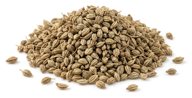 Carom seed
Use the same weight; this is the same spice.
 Cumin seed
Use 75% of the weight, toasted; different, less medicinal flavour.
 Fennel seed
Use 50% of the weight, crushed; sweeter and milder.


 Ginger paste
Use equal weight. Sauté in hot fat until the raw allium smell disappears; slightly wetter, but provides identical warmth and pungency.
 Ground ginger
Use 20% to 25% of the weight (1 g for every 4 to 5 g fresh). Stir into the gravy; adds peppery heat and warmth, though it misses the crisp, zesty kick of raw root.


 Lemon juice
Use 15 g (1 tbsp) for every 5 g of amchoor. Stir in at the very end off the heat; adds liquid and fresh citrus aroma rather than dry fruity tang.
 Tamarind extract
Use 75% of the weight, dissolved in a splash of warm water. Simmer briefly; darkens the gravy and provides a deeper, caramelised sourness.


 Red chilli powder
Use 100% of the weight. Provides direct, sharp heat and red colour in equal measure.
 Kashmiri chilli powder
Use 150% to 200% of the weight if matching colour, but add a pinch of black pepper or hot chilli if you need equivalent fiery heat.
 Cayenne pepper
Use 75% to 100% of the weight. Offers a sharp, clean heat with slightly less earthy depth and less crimson colour.


Similar dishes

- Same: Ajwaini Arabi shares the same tempering of ajwain seeds and asafoetida along with chilli powder and salt.
- Different: Instead of cluster beans sautéed in mustard oil with fresh ginger and amchoor, it pan-fries colocasia in ghee with a higher amount of chilli powder.

- Same: Amritsari Machhali shares the use of ajwain, asafoetida, ginger, chilli, and amchoor as the souring agent with this dish.
- Different: Instead of cluster beans sautéed in mustard oil, Amritsari Machhali deep-fries battered fish fillets in vegetable oil and adds chickpea flour, garlic, cumin, black pepper, and dried mint.

- Same: Bharwan Tinde also uses amchoor for tartness alongside asafoetida and chilli powder.
- Different: Bharwan Tinde braises whole stuffed round gourds in ghee with cumin, coriander, and fennel, whereas this dish sautés cluster beans in mustard oil with ajwain and fresh ginger.
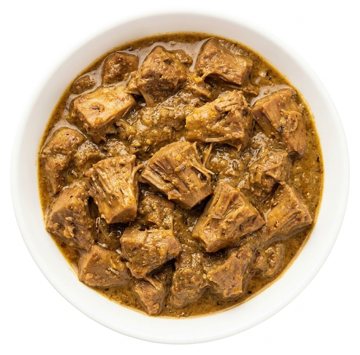
- Same: Kathhal ki Subzi shares the use of amchoor for tartness alongside asafoetida, chilli powder, and salt with this dish.
- Different: Instead of dry-sautéing vegetables in mustard oil with ajwain and ginger, Kathhal ki Subzi braises jackfruit in a yogurt-based gravy using vegetable oil or ghee, cumin, coriander, turmeric, and garam masala.