
Five-Minute Naan Bread
A quick soft flatbread cooked under a hot grill, brushed with butter and scattered with fresh herbs and onion seeds. It is tender, lightly crisp at the edges and rich from the butter.
Ingredients

Method
- Sift 250 g plain flour, 4 g baking powder, 4.2 g granulated sugar and 2.9 g salt into a mixing bowl.
- Stir 93.1 g full-fat milk and 27 g vegetable oil together in a second bowl.
- Add 30.6 g yogurt to the flour mixture, then pour in the milk-oil mixture and stir until a soft dough forms.
- Knead the dough on a work surface for 2 minutes, until smooth, then return it to the bowl, cover and leave in a warm spot for 10 minutes.
- Heat the grill to medium and put a greaseproof-lined baking tray on the top shelf to get hot.
- Cut the dough into 4 equal pieces and roll each one into a thin oval.
- Brush the ovals with butter, prick them with a fork, scatter over coriander or mint and black onion seeds, and press the garnish down gently.
- Lay the naan on the hot tray and grill for 1½ minutes.
- Brush with butter again and grill for 1–2 minutes more, until lightly speckled brown.
- Brush with butter and serve warm.
Don't have something?
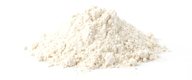
 Whole wheat flour
Use the same weight, add 10–15% more water and rest the dough for 20 minutes; the result is heavier and nuttier.
 Rice flour
Use the same weight for crisp coatings; for doughs use no more than half rice flour with wheat flour, or it will be crumbly.
 Cornflour
For thickening use half the weight, mixed with cold water; it is not suitable for bread or chapati dough.


 Baking soda
Use 25% of the baking powder's weight (e.g. 1 g for 4 g) and add 2 g cream of tartar or 1 tsp lime juice per 100 g flour. Mix quickly and bake at once.
 Bicarbonate of soda
Same as baking soda: use 25% of the weight with an acid such as cream of tartar, lemon juice or yogurt. Expect a slightly soapy taste if overused.
 Self-raising flour
Replace the plain flour plus baking powder with the same weight of self-raising flour; omit added baking powder and reduce salt slightly.


 Jaggery
Use equal weight; grate or shave finely so it dissolves rapidly, giving a warm, caramel-like sweetness and slightly darker sauce.


 Whole milk
Use the same weight; it is the closest match in richness.
 Milk
Use the same weight; the dish will be slightly less creamy, so reduce any added water.
 Milk powder
For 100 g milk, use 12 g milk powder with 88 g water and whisk until smooth.


 Peanut oil
Use 1:1 by weight. Handles high-heat frying identically and introduces a very subtle, pleasant nuttiness.
 Ghee
Use 1:1 by weight. Yields a much richer, authentic aroma and a glossy, heavier mouthfeel.
 Mustard oil
Use 1:1 by weight. Heat until smoking, then cool slightly before cooking to temper its intensely pungent, sharp mustard kick.


 Plain yogurt
Use 100% of the weight. Whisk thoroughly until smooth before stirring into warm gravies to prevent curdling.
 Single cream
Use 90% of the weight combined with 10% lemon juice to replicate the lactic tang and rich body in marinades and curries.


 Unsalted butter
Use 100% of the weight. If the original recipe relies on salted table butter, add a pinch of salt to balance.
- Ghee
Use 80% to 85% of the weight. Ghee is pure butterfat with moisture removed; it yields a deeper, nuttier flavour and handles high heat better.
- Vegetable oil
Use 80% of the weight for frying or tempering. The dish loses sweet dairy richness but remains glossy and light.


 Coriander leaf
Use the same weight; use alone when the recipe allows either herb.
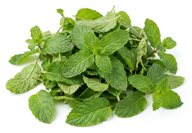 Mint leaves
Use the same weight; it is stronger, so use 10–20% less.
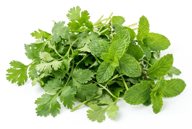 Coriander and mint
Use the same total weight, half and half; matches a mixed-herb note.


 Black cumin seeds
Use equal weight. Imparts an earthy, slightly bitter note in temperings, though it lacks nigella's oniony sharpness.
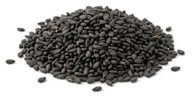 Black sesame seeds
Use equal weight. Gives a similar speckled appearance and light crunch on breads, but provides a nutty rather than herbaceous, onion-like flavour.

Similar dishes
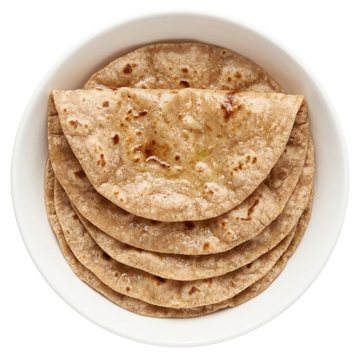
- Same: Chapattis and this dish are both soft flatbreads made with flour, vegetable oil, salt and a butter brush.
- Different: Chapattis uses chapatti flour and no baking powder, sugar, milk, yogurt, coriander, mint or black onion seeds, and it is cooked on a dry griddle rather than under a hot grill.
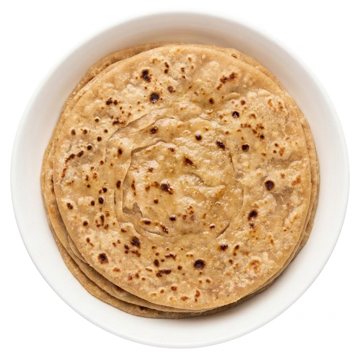
- Same: Plain Buttery Parathas shares with this dish a simple flour-and-fat flatbread base and a butter-rich finish.
- Different: Plain Buttery Parathas uses chapatti flour, vegetable oil, salt and butter, with no baking powder, sugar, milk, yogurt, herbs or black onion seeds; it is layered with butter and pan-fried, while this dish is grilled and brushed with butter, coriander or mint and onion seeds.
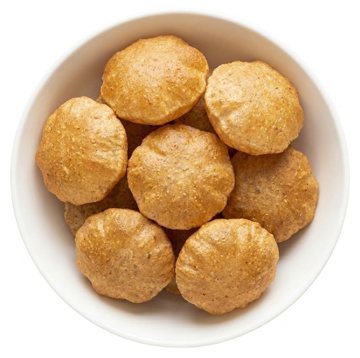
- Same: Puris and this dish are both flatbreads made from flour, salt and vegetable oil.
- Different: Puris uses wholemeal flour and water with no baking powder, sugar, milk, yogurt, butter, herbs or onion seeds, and it is deep-fried rather than grilled.

- Same: Phulkas and this dish are both soft flatbreads made from flour, salt and a fat, with no yeast.
- Different: Phulkas uses wholemeal chapatti flour, ghee and water only, while this dish uses plain flour, baking powder, sugar, milk, yogurt, oil, butter, coriander or mint and black onion seeds and is cooked under a hot grill rather than on a dry griddle.