
Dahiwali Lauki
Tender discs of wax gourd simmered in a mildly tart, creamy yoghurt gravy scented with fennel and ginger.
Chilli powder
8 gMixed with water before frying (step 1)Tempering
0.3 gAdded to the hot mustard oil (step 2)Ground spices for the sauce
7 gStirred in with the yoghurt and salt (step 4)Everything else

Method
- Stir the chilli powder with 1 tsp of water in a small dish to make a smooth paste, then set aside.
- Heat 54 g mustard oil in a deep, heavy-based pan or kadhai over high heat. Turn the heat down, add the tempering (0.3 g asafoetida), and fry for 30 seconds until dissolved into the oil.
- Add the chilli paste and stir briskly for 15 seconds. Drop in 1000 g wax gourd and cook gently for 1½ minutes.
- Stir in 250 g yoghurt, the ground spices for the sauce, and salt to taste, blending everything evenly.
- Cover the pan with a lid and simmer for 15–20 minutes, stirring occasionally, until the gourd softens while retaining a slight bite. Serve hot.
Don't have something?


 Dried kashmiri chilli
Grind deseeded dried pods to an equal weight of powder; gives identical vivid red colour and gentle warmth.
 Red chilli powder
Use 25% of the weight mixed with sweet paprika for colour; straight red chilli powder is substantially hotter and will make the dish fiery.
 Chilli powder
Use one-third of the weight; the sauce will be less intensely red and notably sharper in heat.


 Peanut oil
Use equal weight. It handles high-heat cooking well, but lacks the signature pungent, nasal heat of mustard oil.
 Vegetable oil
Use equal weight. Neutral in flavour, so your curry will lack the characteristic Bengali or North Indian pungent punch.


 Garlic powder
Use double the weight. Stir into hot oil just before adding wet ingredients; mimics the allium savoury background without the sulphurous edge.
 Garlic paste
Use 2 g for every 0.5 g of asafoetida. Sauté in oil until the raw smell clears; adds moisture and sweet allium depth.


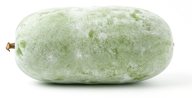
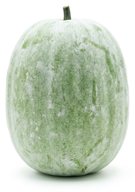 Ash gourd
Use the same weight; peel, deseed and cut to the same size. It holds shape slightly better, so give it 2–3 minutes more.
 Bottle gourd
Use the same weight; peel and deseed. It is softer and waterier, so cook 3–4 minutes less and reduce added water.
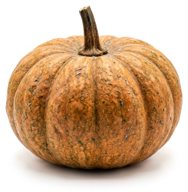 Pumpkin
Use the same weight; peel and deseed. It is sweeter and softens faster, so cook 3–5 minutes less.


 Ginger paste
Use 300% to 400% of the weight (e.g. 3–4 g paste for 1 g ground). Fry in oil alongside onions; provides a juicy, pungent kick rather than a dry, baking-spice heat.
 Fresh ginger
Peel and grate finely; use 300% to 400% of the weight. Add to the hot oil early; delivers bright, peppery warmth rather than the mellow, woody heat of dry ginger.
 Ground mace
Use 50% of the weight. Imparts a warm, spicy undertone in rich gravies, but lacks ginger's fiery, sharp zest.


 Hung yoghurt
Use the same weight; this is only a spelling difference. Adjust salt or sugar as needed.
 Greek yoghurt
Use the same weight. It is a good ready-made thick yoghurt, slightly tangier.
 Full-fat natural yoghurt
Use about 175% of the weight and strain through muslin for 3–4 hours to yield the same weight.


 Fennel seed
Grind whole seeds finely; use equal weight (1:1). Provides a fresh, sweet, aniseed aroma that is slightly stronger than pre-ground powder.
 Aniseed
Grind finely; use 75% to 80% of the weight. Has a sharper, sweeter liquorice taste with less of fennel's herbal earthiness.
 Star anise
Grind whole star anise finely; use 30% to 40% of the weight. Very potent aniseed flavour that easily overpowers a dish if not used sparingly.


 Ground cumin
Use 50% of the weight mixed with equal parts ground coriander and a pinch of ground cinnamon, ground cloves, and ground green cardamom. Sprinkle near the end for a warming finish.
 Lentil stew spice mix
Use 75% of the weight. Simmer briefly in the gravy; imparts roasted warmth and complexity, though it adds a slight tang and earthy lentil undertone.


Similar dishes

- Same: Dum ki Lauki also uses gourd as the main vegetable, sharing spices like asafoetida, ginger, chilli powder, and garam masala.
- Different: Instead of simmering gourd in mustard oil and a yoghurt gravy with fennel, Dum ki Lauki slow-braises it in ghee without yoghurt, adding cumin, fenugreek, ground coriander, fresh green chillies, and coriander leaves.

- Same: Lauki ka Raita also combines tender gourd with a salted yoghurt base.
- Different: Instead of being simmered in mustard oil with Kashmiri chilli powder, ground ginger, fennel, and garam masala like this dish, it is prepared as a cold dip using cumin seeds, green chillies, raisins, and sugar without any cooking oil.

- Same: Both dishes feature bottle gourd simmered with ginger, chilli powder, and garam masala.
- Different: Chana Dal Lauki Waali adds chana dal, onions, garlic, cumin, and fresh mint cooked in ghee or oil, but omits this dish's yoghurt gravy, mustard oil, fennel, and asafoetida.
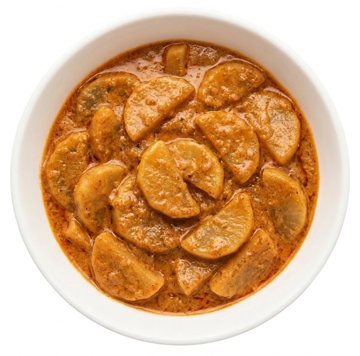
- Same: Both dishes simmer a vegetable in a yogurt gravy seasoned with mustard oil, Kashmiri chilli powder, asafoetida, ginger, and garam masala.
- Different: Mujh replaces wax gourd with radishes, adds granulated sugar, uses significantly less mustard oil, and omits the ground fennel seed.