
Arabi ka Raita
Crisp, pan-fried colocasia rounds folded into cooling, spiced yogurt. It offers a contrasting mix of crunchy and creamy textures with smoky cumin and mild heat.
Spices for the raita
3.4 gWhisked into the yogurt (step 3)Everything else


Method
- Gently flatten each of the 6 boiled and peeled colocasia between your palms into thick discs.
- Warm 114 g vegetable oil in a deep frying pan or wok set to medium heat. Fry the colocasia for roughly 2 minutes on each side until deeply browned and crisp, then transfer with a slotted spoon onto paper towels to absorb excess oil.
- In a wide serving bowl, whisk 507 g plain yogurt, salt to taste, and the spices for the raita until thoroughly combined.
- Toss the fried colocasia into the spiced yogurt, finish with coriander leaf to garnish, and serve.
Don't have something?


 Potato
Use the same weight. Peel, cut into similar pieces and parboil for 5 minutes before adding; it cooks faster than colocasia, so add later and simmer 10–15 minutes. The dish will be less sticky and nutty.
 Sweet potato
Use the same weight. Peel and cut into chunks; it softens faster and turns sweeter, so reduce cooking time by about 5 minutes and adjust sugar or tamarind if the recipe has any.
 Indian yam
Use the same weight. Peel, cut into pieces and cook 5–10 minutes longer than colocasia; it holds its shape well but is less slippery.


 Peanut oil
Use 1:1 by weight. Handles high-heat frying identically and introduces a very subtle, pleasant nuttiness.
 Ghee
Use 1:1 by weight. Yields a much richer, authentic aroma and a glossy, heavier mouthfeel.
 Mustard oil
Use 1:1 by weight. Heat until smoking, then cool slightly before cooking to temper its intensely pungent, sharp mustard kick.


 Yogurt
Use equal weight, whisked thoroughly until smooth before adding to hot dishes to prevent curdling.
 Coconut milk
Use equal weight with 1 teaspoon lemon juice mixed in. Provides rich creaminess in curries, but adds a noticeable coconut flavour.
 Single cream
Use 80% of the weight plus a squeeze of lemon juice for acidity. Enriches sauces nicely, though it is richer and less tangy.


 Red chilli powder
Use 100% of the weight. Provides direct, sharp heat and red colour in equal measure.
 Kashmiri chilli powder
Use 150% to 200% of the weight if matching colour, but add a pinch of black pepper or hot chilli if you need equivalent fiery heat.
 Cayenne pepper
Use 75% to 100% of the weight. Offers a sharp, clean heat with slightly less earthy depth and less crimson colour.


 Ground cumin
Use 70% of the weight; add with ground spices or sauce bases rather than hot oil tempering, where it scorches quickly and turns bitter.
 Black cumin seeds
Use equal weight for oil tempering. Delivers an earthy profile with an additional musky, smoky, and slightly bitter edge.
 Fennel seed
Use 60% of the weight for tempering; offers comparable warm aroma, but leans sweet and liquorice-like rather than savoury and earthy.


Similar dishes

- Same: Ajwaini Arabi also features pan-fried colocasia seasoned with chilli powder and salt.
- Different: It is fried in ghee rather than vegetable oil and uses ajwain and asafoetida while omitting the yogurt, cumin, and coriander leaves used in this dish.

- Same: Masala Arabi also features taro root as the main ingredient, combined with yogurt and fresh coriander leaf.
- Different: Masala Arabi is cooked in ghee as a warm, sauced dish with ginger, green chillies, ajwain, asafoetida, turmeric, and ground coriander, using far less yogurt than this cold, oil-fried raita.
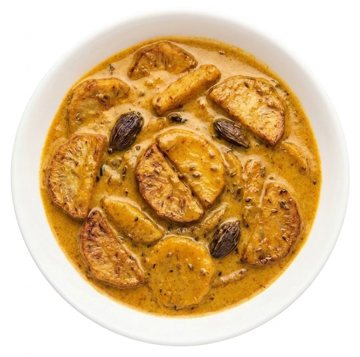
- Same: Rajasthani Arabi also combines fried colocasia (taro root) with yogurt, vegetable oil, and chilli powder.
- Different: Rajasthani Arabi simmers the fried taro in a cooked gravy seasoned with ginger, garlic, turmeric, cloves, black cardamom, ajwain, and garam masala, omitting the cumin seeds and fresh coriander used in this raita.
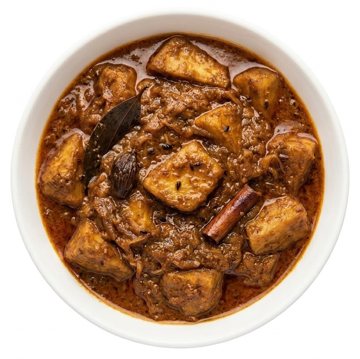
- Same: Dum ki Arabi and this dish both use colocasia, vegetable oil, yogurt, cumin seed, chilli powder and salt.
- Different: Dum ki Arabi is a slow-cooked curry with onion, boiled onion paste, ginger paste, garlic paste, bay leaf, black cumin seed, nutmeg, black cardamom, clove, cinnamon, ground coriander and turmeric, while this dish is a raita of pan-fried colocasia folded into yogurt without onion, garlic or whole spices.