
Molgai Podi
A fragrant South Indian dry condiment powder made from toasted lentils, coconut, and roasted chillies. It delivers a rich, nutty crunch with an earthy, spicy warmth.
Molgai podi spices
9 gFried in the pan and added to the blender (steps 4 and 5)Everything else

Method
- Warm 54 g vegetable oil in a frying pan over medium heat.
- Add 100 g urad dal and 100 g chana dal, stir-frying for 1 to 2 minutes until golden, then tip them out into a bowl.
- Scatter 30 g desiccated coconut into the pan and toast for about 30 seconds until golden brown, then combine with the lentils.
- Toss the 8–10 g dried red chilli from the Molgai podi spices into the pan, cook for 1 to 2 minutes until visibly darkened, and transfer to the bowl with the other toasted ingredients.
- Add the rest of the Molgai podi spices (1.4 g asafoetida), along with curry leaf to taste and salt to taste.
- Transfer the mixture to a blender, pulse until coarsely ground, and decant into an airtight jar.
Don't have something?


 Peanut oil
Use 1:1 by weight. Handles high-heat frying identically and introduces a very subtle, pleasant nuttiness.
 Ghee
Use 1:1 by weight. Yields a much richer, authentic aroma and a glossy, heavier mouthfeel.
 Mustard oil
Use 1:1 by weight. Heat until smoking, then cool slightly before cooking to temper its intensely pungent, sharp mustard kick.


 Black gram
Use the same weight; usually the same split skinned dal, so no real change.
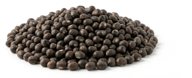 Whole black gram
Use the same weight; soak longer and cook until soft. More intact and slightly less creamy.
 Split mung beans
Use the same weight; cooks faster but gives less sticky, creamy body to the dish.


 Yellow split peas
Use 100% of the weight. Soak for at least 1 hour; takes about 10 minutes longer to cook through and has a marginally earthier flavour.
 Pigeon peas
Use 100% of the weight. Reduces cooking time by about 10 minutes and breaks down softer, giving a smoother consistency rather than distinct grains.
- Black gram
For tempering or tadka only: use 70% of the weight. Browns faster in hot oil, providing a nutty, crunchy bite.


 Grated desiccated coconut
Use equal weight directly; it is the identical ingredient under a different label.
 Fresh coconut
Grate finely and use 130% to 140% of the weight to compensate for higher moisture; toast gently in a dry pan over low heat if a dry texture is needed.
 Dried coconut
Grate finely using a microplane and use equal weight. Offers a slightly oilier, toastier coconut profile.


 Dried kashmiri chilli
Use equal weight whole. Fry in hot oil or ghee as tempered spice; gives a richer red colour with slightly milder heat.
 Red chilli powder
Use 50% to 70% of the weight. Stir into the oil with ground spices; distributes heat evenly throughout the dish without whole chilli skins.


 Garlic powder
Use double the weight. Stir into hot oil just before adding wet ingredients; mimics the allium savoury background without the sulphurous edge.
 Garlic paste
Use 2 g for every 0.5 g of asafoetida. Sauté in oil until the raw smell clears; adds moisture and sweet allium depth.


 Bay leaf
Fry 1 bay leaf for every 5 curry leaves in hot oil; imparts a warm, woodsy background note, but misses the citrus-sulphury punch entirely.
 Lime juice
Add a small squeeze (about 5 ml per sprig of curry leaves) right before serving; provides sharp citrus top notes without the toasty, herbal aroma.

Similar dishes

- Same: Payatham Pezhukku shares the use of dried red chillies, curry leaves, and salt with this dish.
- Different: Payatham Pezhukku is a cooked green gram dish prepared with coconut oil, whereas this dish is a dry-roasted and ground condiment made with chana dal, desiccated coconut, and asafoetida.

- Same: Andhra Masala Vadai shares chana dal, curry leaf, asafoetida, salt and vegetable oil with this dish.
- Different: Andhra Masala Vadai adds green bird's-eye chilli, ginger and onion, omits urad dal, coconut and dried red chilli, and is coarsely ground and deep-fried instead of toasted and ground into a dry powder.
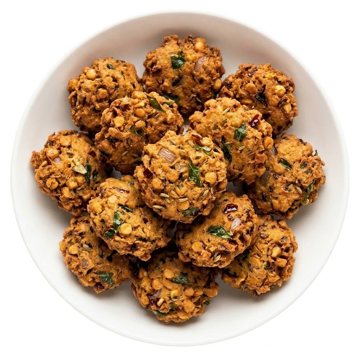
- Same: Both dishes rely on chana dal as their primary base and season it with dried red chillies and curry leaves using vegetable oil.
- Different: Masala Vada incorporates fresh onion, ginger, and fennel seeds and is deep-fried into whole fritters, whereas this dish toasts the dal with desiccated coconut and asafoetida to grind into a dry condiment powder.
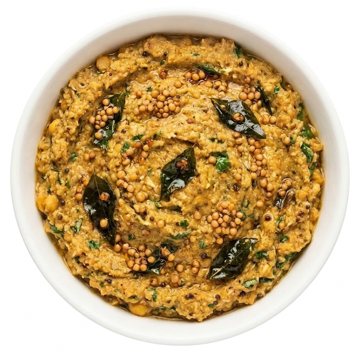
- Same: Chenigapappu Chutney also relies on chana dal, coconut, curry leaves, asafoetida, and vegetable oil.
- Different: It is prepared as a wet condiment using fresh coconut, green chillies, ginger, fresh coriander, and mustard seeds instead of being ground dry with desiccated coconut and dried red chillies.