
Achari Machhi Tikka
Tender fish skewers steeped in a double marinade of spiced gram flour and tangy pickling aromatics, then grilled until smoky and charred. The dish offers a sharp, savoury punch balanced by the warmth of mustard oil and roasted seeds.
Whole pickling spices
13 gFried in the hot mustard oil (step 2)Garam masala
10 gStirred into the second marinade (step 2)Everything else

Method
- In a wide, shallow dish, whisk together 30 g roasted gram flour, 2 tablespoon curd and 20 g single cream. Add 1000 g fish chunks and turn until evenly coated, then cover and refrigerate for 1 hour.
- Heat 9 g mustard oil in a heavy pan over high heat until it begins to smoke. Tip in the whole pickling spices, 2 g nigella seeds and 3 g mustard seeds, stir-frying for roughly 1 minute until they crackle, then scrape the pan contents into a second shallow dish along with 20 g pickle paste, the garam masala and salt to taste, mixing thoroughly.
- Lift the chilled fish pieces from the initial marinade, gently wiping off any excess, and drop them into the second marinade dish, turning until well covered.
- Preheat a grill or charcoal barbecue. Thread the marinated fish onto metal skewers and grill until cooked through and lightly charred. Dust with 5 g chaat masala and serve immediately.
Don't have something?


 Chickpea flour
Use the same weight. Gram flour is chickpea flour, so this is an exact swap with the same nutty flavour and binding.
 Plain flour
Use about 75–80% of the weight, e.g. 80 g for 100 g gram flour, and add a pinch of turmeric for colour. Less nutty and less crisp; good only for thickening or simple batters.
 Rice flour
Use the same weight for crispness, but it does not bind like gram flour; mix with a little plain flour if making pakora batter.


 Greek yoghurt
Use the same weight straight from the pot. It is thick and slightly tangier; stir well before use.
 Full-fat natural yoghurt
Use about 175% of the weight and strain through muslin for 3–4 hours to yield the same weight of thick yoghurt.
 Hung yoghurt
Use the same weight. It is essentially the same ingredient; adjust salt or sugar to taste.



 Whole milk
Use equal weight, whisked with a small knob of unsalted butter. Simmer gently over low heat to reduce curdling; sauce will be slightly lighter.
 Clotted cream
Use 50% weight combined with 50% whole milk, whisked until smooth. Adds intense richness, so stir in at the very end off the heat.
 Cashew paste
Use 60% cashew paste mixed with 40% warm water. Creates a silky, luxurious thickening that won't split even under high heat.


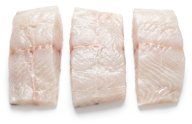 Firm white fish fillet
Use same weight, cut into chunks and simmer gently for 5–8 minutes; firm fish holds together well.
 Skinless firm white fish fillet
Use same weight and cook gently for 5–8 minutes; skinless fillet gives a cleaner texture.
 Fish fillet
Use same weight but handle very gently, as some fillets break up; simmer 5 minutes only.


 Peanut oil
Use equal weight. It handles high-heat cooking well, but lacks the signature pungent, nasal heat of mustard oil.
 Vegetable oil
Use equal weight. Neutral in flavour, so your curry will lack the characteristic Bengali or North Indian pungent punch.


 Aniseed
Use 75% of the weight. Fry in hot oil or ghee; has a sharper, more pronounced liquorice flavour, so use a lighter hand.
 Ground fennel seed
Use 60% of the weight. Stir into the sauce with ground masalas; provides identical sweet aniseed flavour without whole seed crunch.
 Star anise
Use one point (single carpel) per 1 g of fennel seeds. Simmer in gravies and remove before serving; gives a deeper, woodier liquorice aroma.


 Black cumin seeds
Use equal weight. Imparts an earthy, slightly bitter note in temperings, though it lacks nigella's oniony sharpness.
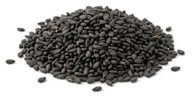 Black sesame seeds
Use equal weight. Gives a similar speckled appearance and light crunch on breads, but provides a nutty rather than herbaceous, onion-like flavour.


 Mustard seed
Use 50% of the weight, crush or grind. Sharper heat and less maple-bitter; fry briefly in oil before adding.
 Caraway seeds
Use the same weight, crush lightly. Similar bitter-seed note but more aniseed; reduce other sweet spices slightly.
 Ajwain seeds
Use 25–30% of the weight, crush. Much stronger thyme-like flavour; do not overdo.


 Ground cumin
Use 70% of the weight; add with ground spices or sauce bases rather than hot oil tempering, where it scorches quickly and turns bitter.
- Black cumin seeds
Use equal weight for oil tempering. Delivers an earthy profile with an additional musky, smoky, and slightly bitter edge.
- Fennel seed
Use 60% of the weight for tempering; offers comparable warm aroma, but leans sweet and liquorice-like rather than savoury and earthy.


- Fennel seed
Same weight, lightly crushed; sweeter and milder but the closest match for the anise note.
- Cumin seed
Use two-thirds the weight; earthier and warmer, losing most of the aniseed character — good in breads and root vegetables.
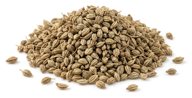 Carom seeds
Use half the weight; much more pungent and thyme-like, so add early in hot oil to soften it.


- Ground cumin
Use 50% of the weight mixed with equal parts ground coriander and a pinch of ground cinnamon, ground cloves, and ground green cardamom. Sprinkle near the end for a warming finish.
 Lentil stew spice mix
Use 75% of the weight. Simmer briefly in the gravy; imparts roasted warmth and complexity, though it adds a slight tang and earthy lentil undertone.


 Pickle
Mash or blend to a paste; use the same weight and add a little oil if it is dry. It gives the closest sour-spiced flavour.
 Mango pickle
Mash to a paste and use the same weight; it is sharper, so reduce any extra lemon or tamarind.
 Tamarind paste
Use about 70% of the weight with a pinch of chilli and salt; it gives sourness but lacks the pickle spices.


 Tandoori snack spice mix
Use the same weight; taste first as it can be smokier and saltier. Add lime or amchoor if the dish needs more tang.
 Dried mango powder
Use about half the weight, mixed with black salt and a pinch of ground cumin. It gives tang and saltiness but lacks the minty, asafoetida notes.
 Black salt
Use about half the weight and add lime juice to taste. It gives the salty, sulphurous edge but not the full tangy blend.


Similar dishes

- Same: Achari Fish Tikka shares a yoghurt-and-pickling-spice coating and grilling with this dish.
- Different: Achari Fish Tikka uses salmon, Greek yoghurt, garlic, green chilli pickle and butter, while this dish uses boneless fish, gram flour, cream, mustard oil, pickle paste, caraway and chaat masala.

- Same: Both dishes feature fish seasoned with cumin seeds, garam masala, and salt.
- Different: Tikaht Modaka braises whitebait in vegetable oil with garlic paste, fresh green chillies, sugar, and lime juice instead of grilling skewered fish marinated with cream, mustard oil, fennel, fenugreek, and chaat masala.

- Same: Tandoori Fish Tikka with Turmeric, Carom Seeds & Chaat Masala and this dish both use boneless fish, a yoghurt marinade, chickpea or gram flour, mustard oil, garam masala and a chaat masala finish, and both are grilled as tikka.
- Different: Tandoori Fish Tikka with Turmeric, Carom Seeds & Chaat Masala uses cod loin, ghee, garlic, ginger, Kashmiri chilli powder, turmeric and carom seeds, while this dish uses a larger fish quantity, cream, hung yoghurt, pickle paste and a pickling seed mix of fennel, nigella, fenugreek, cumin and caraway.
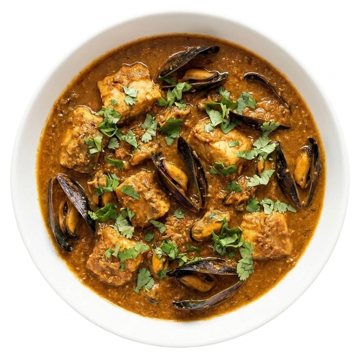
- Same: Goan Fish Curry shares fish as the main ingredient and uses fenugreek, cumin and fennel seed in its spice mix, as this dish does.
- Different: Goan Fish Curry has hake, mussels, coconut, tamarind, fish stock, white wine, turmeric and ginger garlic paste, and lacks this dish's gram flour, yoghurt, cream, mustard oil, pickle paste and chaat masala; it is a simmered curry rather than grilled skewers.