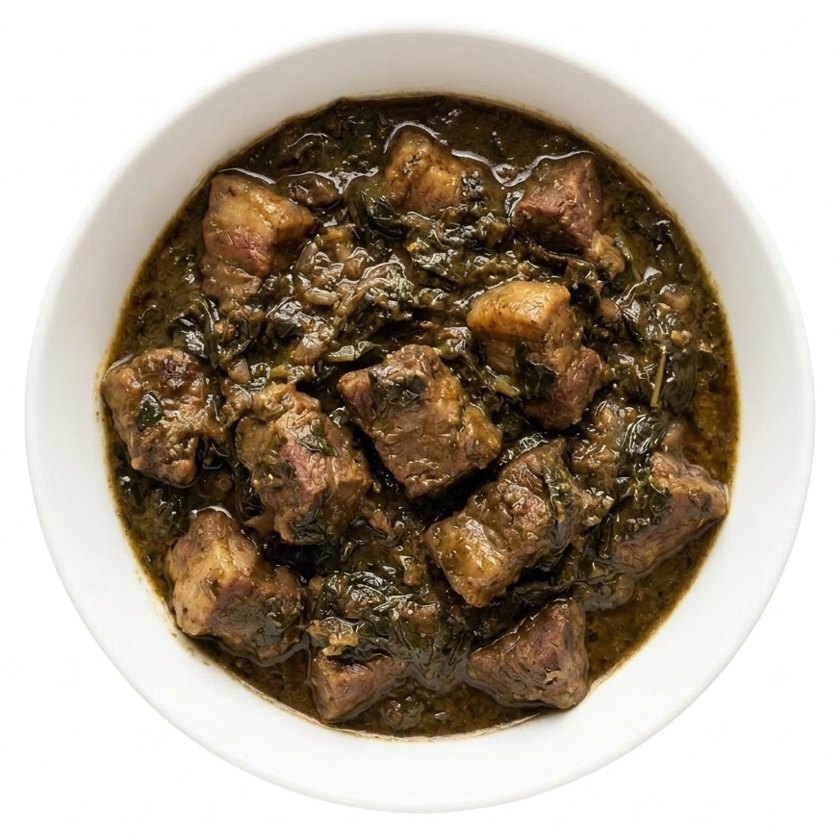
Wak Al Galda
A rustic pork curry from Northeast India, featuring tender chunks of pork braised with tart sorrel leaves until rich and tangy.
Ingredients

Method
- Set a wide, heavy-bottomed pan over a low flame. Add 1000 g pork, cut into 5-cm / 2-inch pieces, dry without any fat or liquid. Cook for 20 to 35 minutes with intermittent stirring, allowing the meat to render its fat until all released moisture has completely boiled away.
- Tip in 5 roughly torn sorrel leaves, 2 tsp boiled onion paste, 4 g fresh ginger, 2 tsp chopped garlic, and salt to taste. Continue stirring over the heat until the greens break down thoroughly and coat the meat.
- Pour in 125 ml water and raise the heat to bring the pan to a vigorous boil. Simmer uncovered for approximately 15 minutes, until the pork is tender and the gravy has reduced to a thick consistency.
Don't have something?
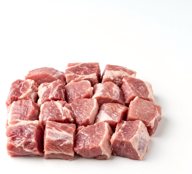
 Lamb shoulder
Use equal weight, diced similarly. Cook using the same slow braising method; lends a richer, slightly gamier flavour and retains moisture well.
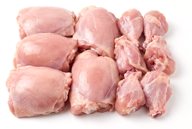 Chicken
Use equal weight of bone-in thighs. Cut into pieces and reduce simmering time by about half (cook for 25-30 minutes) to keep the meat succulent.


 Spinach
Use the same weight; remove stalks. Add lemon juice at the end to mimic the sourness.
 Spinach leaf
Use the same weight; chop roughly. Cook 1–2 minutes less, as spinach wilts quickly.
 Sorrel leaf
Use the same weight; remove stalks. Same sour flavour, so adjust lemon accordingly.


 Onion paste
Use the same weight, then simmer in a little water for 5–8 minutes and cool; raw paste is sharper and stronger.
 Fried onion paste
Use about 75% of the weight; it is sweeter, darker and stronger, so reduce salt and sugar slightly.
 Boiled onion
Use the same weight, boil until soft and blend; it is the same thing made fresh.


 Ginger paste
Use equal weight. Sauté in hot fat until the raw allium smell disappears; slightly wetter, but provides identical warmth and pungency.
 Ground ginger
Use 20% to 25% of the weight (1 g for every 4 to 5 g fresh). Stir into the gravy; adds peppery heat and warmth, though it misses the crisp, zesty kick of raw root.



 Garlic paste
Use equal weight. Fry gently in oil or ghee with the ginger; incorporates smoothly into curries without visible minced bits.
 Garlic powder
Use 15% to 20% of the weight (about 1 g for every 5 to 6 g fresh cloves). Whisk into sauces; gives a savoury, toasted garlic flavour without raw pungency.
 Shallot
Use 1.5 times the weight, very finely minced. Sauté until golden; provides savoury allium sweetness, though it lacks garlic's pungent sulphur bite.


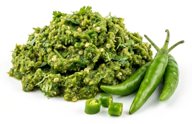
 Green chilli
Use the same weight, deseed if wanted, and grind with 1 tbsp water; fresher and brighter.
 Chilli paste
Use the same weight; may be red and hotter, so adjust.
 Red chilli paste
Use 75–80% of the weight; changes colour and heat.


Similar dishes
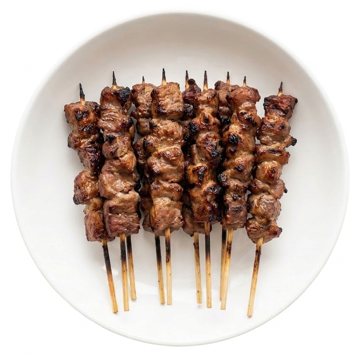
- Same: Oma Bedoi Saonai shares the same base of pork seasoned simply with salt.
- Different: Oma Bedoi Saonai is skewered and roasted over coals rather than braised, omitting the sorrel leaves, boiled onion paste, fresh ginger, and garlic.
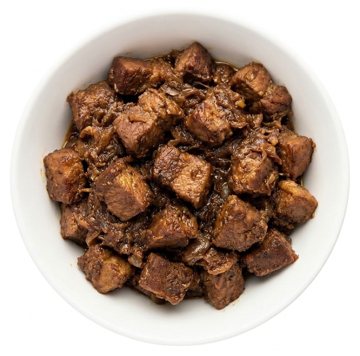
- Same: Both dishes use an equal amount of pork prepared with boiled onion paste, ginger, garlic, and salt.
- Different: Oma Eoni adds vegetable oil to fry and brown the meat, but it lacks the sorrel leaves used to braise this dish.

- Same: Arek shares a base of pork seasoned simply with fresh ginger, garlic, and salt.
- Different: Instead of braising the meat with boiled onion paste and sorrel leaves, Arek stews the pork with bamboo shoots, tomatoes, and fresh green chillies.

- Same: Wookhan and this dish both use 1000 g pork, salt, onion, ginger, and green chilli, and both are simmered pork dishes.
- Different: Wookhan uses 450 g onion, 30 g fresh green chilli, and 5.2 g ginger paste, while this dish uses 10.4 g boiled onion paste, 10 g green chilli paste, and 4 g fresh ginger; Wookhan has no garlic and no sorrel leaves, so it lacks this dish's souring agent and is a lighter stew rather than a sorrel-braised curry.