Indian cooking
Indian cooking / Dishes / Moong Dal Khichari
Moong Dal Khichari (Khichari with Moong Dal)

Moong Dal Khichari

Khichari with Moong Dal
VegetarianOrigin West BengalPrep 10 minutasCook 20 minutes

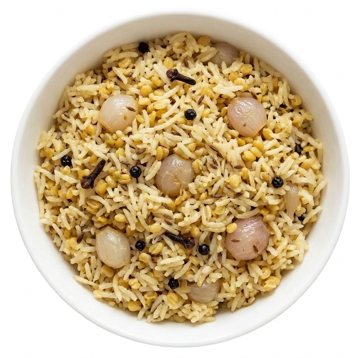
Moong Dal Khichari is a soothing, comforting rice and lentil porridge with a thick, tender texture. It is gently flavored with ginger and aniseed, then finished with an aromatic ghee tempering.

Ginger paste for the dal

16 gAdded to the boiling water with the lentils and rice (step 1)
Measure out and set aside to stir into the pot.

Tempering spices

3.1 gBloomed in the hot ghee (step 2)
01
2.1 g1 teaspoon
spice
02
1 g2 leaves
spice
Keep whole to fry together in the ghee.

Everything else

01
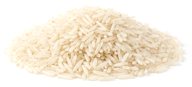
Rice · Chawalrinsed and drained
100 g
grain
02
100 g
legume
03
9 g2 teaspoons
oil/fat
04
to taste
salt

Method

  1. Bring a deep saucepan of water to a rolling boil. Add 100 g rice, 100 g moong dal, 2 teaspoon aniseed paste, the ginger paste for the dal, and salt to taste. Cook gently until the grains soften and break down into a thick, porridge-like consistency.
  2. Heat 8.8 g ghee in a frying pan over high heat, then reduce the heat to low. Add the tempering spices and fry for about 1 minute until the bay leaves darken in colour.
  3. Pour the spiced ghee directly over the cooked khichari and cover the pan immediately to trap the steam and aromas.

Don't have something?

Rice
  • Basmati rice

    Use the same weight; rinse and soak as needed. Fluffier and drier, so use slightly less water.

  • Long-grain rice

    Use the same weight; similar behaviour, adjust water to your usual method.

  • Short-grain rice

    Use the same weight; stickier and softer, so reduce water and avoid stirring.

Moong dal
  • Red lentils

    Use equal weight. It cooks in about the same time and breaks down to a similar soft, creamy consistency, though the colour will be slightly pinkish-orange.

  • Pigeon peas

    Use equal weight. Requires longer soaking and cooking time, and produces a slightly earthier, denser dal.

Ginger paste
  • Fresh ginger

    Use equal weight; peel and grate very finely on a microplane or pound to a fine paste in a mortar.

  • Ginger

    Use equal weight; mince finely and crush with the flat of a knife before frying.

  • Ground ginger

    Use 20% of the weight; add directly with the dry spice powders, though it yields an earthier, less pungent profile.

Aniseed paste
  • Ground aniseed

    Use half the weight, mix with a little water to a paste. Same liquorice flavour.

  • Aniseed

    Grind half the weight with water to a paste. Slightly coarser but same aroma.

  • Fennel seed

    Use the same weight as aniseed seed, ground with water. Sweeter and less liquorice-like.

Ghee
  • Unsalted butter

    Use 120% of the weight; melt gently over low heat to avoid burning the milk solids, which will yield a softer, creamier richness rather than a nutty aroma.


  • Vegetable oil

    Use 85% of the weight; holds high cooking temperatures without smoking, but the final dish will lack traditional dairy depth.

  • Mustard oil

    Use equal weight; heat to smoking point and cool slightly before cooking, bearing in mind it introduces an assertive, pungent edge.

Aniseed
  • Fennel seed

    Use equal weight. Fry or grind as directed; slightly greener and less intensely sweet, but the closest liquorice-adjacent match.

  • Star anise

    Use 50% of the weight. Grind finely or infuse whole in simmering liquid and discard before serving; delivers a stronger, woodier liquorice profile.

Bay leaf
  • Cinnamon stick

    Use a 2 cm piece (about 1 g) for every 1 to 2 bay leaves. Fry in whole-spice temperings; provides the cassia-like warmth typical of Indian tejpatta.

  • Ground cinnamon (cassia)

    Use 0.5 g per leaf. Stir into the sauce during simmering; gives the same warm woodiness but darkens the colour slightly.

Similar dishes

Undrally
Steamed Rice Balls
Undrally has a much milder, plainer flavor served with tangy tamarind chutney (Chintapandu Thokku), unlike the aromatic ginger, aniseed, and buttery ghee notes of this dish.
  • Same: Both dishes combine rice with lentils seasoned simply with salt.
  • Different: Undrally uses chana dal instead of moong dal and is shaped into steamed balls without fat, lacking the ghee, ginger, aniseed, and bay leaf tempering of this dish.
Khilwan Khichari
Dry Khichari
Khilwan Khichari is much richer and warmer with clove and black pepper heat, whereas this dish has a milder taste led by ginger and sweet aniseed.
  • Same: Both dishes are made with moong dal, ghee, bay leaves, and salt.
  • Different: Khilwan Khichari is cooked as a dry rice-and-lentil dish with basmati rice, cumin, cloves, black pepper, and significantly more ghee, omitting the ginger paste and aniseed used in this porridge.
Plain Utthapam
Savoury Eggless Pancakes
Plain Utthapam is tangy from fermentation with a crisp golden outside and soft porous centre, while this dish is soft, thick and soothing with ginger, aniseed and ghee aroma.
  • Same: Plain Utthapam shares with this dish a savoury rice-and-lentil base and a simple, home-style preparation.
  • Different: Plain Utthapam uses fermented dosa batter cooked in vegetable oil as thick pancakes, with coconut chutney and sambhar, while this dish uses rice, moong dal, ginger, aniseed, bay leaf and a ghee tempering cooked as a porridge.
Venu Pongal
Rice with Moong Dal
Venu Pongal tastes peppery, cumin-heavy, and rich with cashews, while this dish is milder with ginger and aniseed.
  • Same: Venu Pongal shares rice, moong dal, salt, ghee, and a soft one-pot porridge texture with this dish.
  • Different: It uses more rice and moong dal, adds black pepper, cumin, asafoetida, turmeric, cashews, and curry leaves, and lacks this dish’s ginger, aniseed, and bay leaf.