
Meve ki Gujiya
Meve ki Gujiya are crescent-shaped pastries with a soft flour shell and a sweet, nutty filling of roasted seeds, almonds, pistachios and raisins. They are deep-fried until crisp and golden, with a rich, crunchy centre.
Ingredients
Method
- Rub 66 g ghee into 250 g plain flour in a large bowl until crumbly.
- Mix in enough cold water to bring the flour to a soft dough.
- Knead the dough on a surface dusted with extra plain flour for 5 minutes, then cover it with a damp cloth and leave for 20 minutes.
- Dry-roast 24 g chironji kernel and 6 g musk melon seed on a tawa or in a dry frying pan for 2–3 minutes, then tip into a bowl.
- Add 50 g blanched almond, 30 g unsalted pistachio nut, 18 g raisin and 8.4 g granulated sugar to the bowl and mix well.
- Roll the dough on a lightly floured surface into 20 rounds, each about 8 cm (3 inches) across.
- Put a teaspoon of the nut filling in the centre of each round.
- Fold each round into a crescent, moisten the edge with water, press it closed and crimp it.
- Heat extra ghee in a kadhai or deep heavy pan to 180°C (350°F), then lower the heat to very low.
- Fry the pastries in batches for 3–4 minutes until golden, then lift them out with a slotted spoon and drain on kitchen paper.
Don't have something?
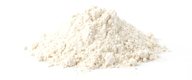
 Whole wheat flour
Use the same weight, add 10–15% more water and rest the dough for 20 minutes; the result is heavier and nuttier.
 Rice flour
Use the same weight for crisp coatings; for doughs use no more than half rice flour with wheat flour, or it will be crumbly.
 Cornflour
For thickening use half the weight, mixed with cold water; it is not suitable for bread or chapati dough.


 Unsalted butter
Use 120% of the weight; melt gently over low heat to avoid burning the milk solids, which will yield a softer, creamier richness rather than a nutty aroma.
 Vegetable oil
Use 85% of the weight; holds high cooking temperatures without smoking, but the final dish will lack traditional dairy depth.
 Mustard oil
Use equal weight; heat to smoking point and cool slightly before cooking, bearing in mind it introduces an assertive, pungent edge.


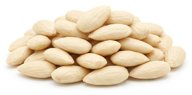 Blanched almond
Use the same weight, soak 20 minutes and use whole or grind; slightly sweeter and less bitter.
 Cashew nut
Use the same weight, soak 20 minutes; creamier and milder than chironji.
 Pistachio
Use the same weight, blanch and peel; stronger in flavour, so use slightly less if you want subtlety.


 Melon seeds
Same seed family; use the same weight, soak 30 minutes and grind to a paste if needed. Taste for bitterness.
- Blanched almond
Use the same weight, soaked and ground. Richer and thicker, so add a little water.
- Cashew nut
Use the same weight, soaked and ground. Sweeter and creamier, so reduce sugar slightly.

 Almond
Use the same weight; cover with hot water for 5 minutes, then slip off the skins.
 Blanched split almond
Use the same weight; they are already peeled and split, so use whole or chop as needed.
- Cashew nut
Use the same weight; soak in warm water before grinding. They are softer and richer, so the dish will be creamier.


- Pistachio
Use the same weight; check for salt and adjust the recipe's salt.
- Almond
Use the same weight; toast lightly before chopping. It is milder but works for garnishes and pastes.
- Cashew nut
Use the same weight; grind with a little water for pastes. It is softer and sweeter.


 Dried plum
Use equal weight, pitted and finely chopped. Lends a deeper, slightly more tart sweetness to curries and rice dishes.
- Cashew nut
Use equal weight. Fry lightly in ghee until golden; substitutes the burst of sweetness with a rich, buttery crunch.
 Jaggery
Use 30% of the weight, finely grated. Dissolve straight into the sauce to match the intended sweetness, though without the fruity chew.


- Jaggery
Use equal weight; grate or shave finely so it dissolves rapidly, giving a warm, caramel-like sweetness and slightly darker sauce.
Similar dishes

- Same: Mawe ki Kachori shares with this dish a plain-flour pastry shell, chironji, pistachio and raisins, and a deep-fried crisp finish.
- Different: Mawe ki Kachori adds baking soda, salt, vegetable oil and green cardamom, uses khoya instead of almonds and musk melon seeds, and is soaked in a sugar syrup with lime juice and rosewater rather than simply fried.

- Same: Ulte Tawe ka Paratha shares plain flour, granulated sugar and ghee with this dish, and both are sweet enriched breads or pastries.
- Different: Ulte Tawe ka Paratha has milk, cashew paste, khus essence, baking powder and salt, but lacks this dish's almonds, pistachios, chironji, musk melon seeds and raisins; it is a layered flatbread cooked on an inverted griddle, while this dish is a crescent pastry deep-fried.
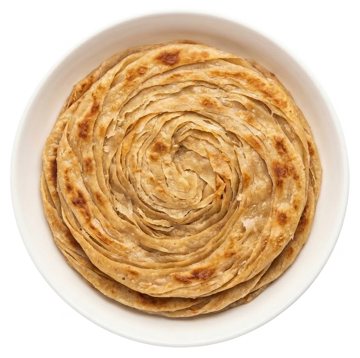
- Same: Warqi Paratha shares plain flour and ghee as its core ingredients with this dish.
- Different: Warqi Paratha adds salt and uses a spiral rolling method to make layers, while this dish has a nut, seed and raisin sugar filling and is deep-fried.

- Same: Bhatura and this dish both use plain flour, sugar, and a fat, and both are deep-fried until golden.
- Different: Bhatura is a leavened bread made with yogurt, semolina, baking powder, baking soda, salt, and vegetable oil, while this dish is a filled pastry made with ghee and a nut-and-raisin filling and has no leavening or yogurt.