
Himalayan Pine
A tall, sparkling Calvados cocktail with peach liqueur and gin, sharpened by lemon, lightly salted and scented with kewra. It is served over ice with soda and a pine sprig.
Ingredients

Method
- Add 50 g calvados, 10 g peach liqueur, 10 g premium gin, 10 g sugar syrup and 20 g lemon juice to a cocktail shaker.
- Add 0.3 g Himalayan salt and 2.5 g kewra water to the shaker.
- Shake hard until the shaker is well chilled.
- Fill a tall glass with ice cubes.
- Strain the cocktail into the ice-filled glass.
- Top up with soda water to taste.
- Garnish with 1 g pine sprig.
Don't have something?


 Brandy or rum
Use the same volume; brandy is closest, rum adds sweetness. No apple note, so add a little grated apple if the dish allows.
 Dry white wine
Use 1.5 times the volume and simmer to reduce by half; less alcoholic and no apple-brandy depth.
 Apple
Use a spoon of grated or puréed apple plus a splash of brandy or rum; only for sweet or fruity dishes.


- Brandy or rum
Use 50–60% of the weight and stir in 1 tsp sugar syrup per 20 ml; stronger and less fruity.
 White wine
Use the same weight and add 1 tsp sugar per 50 ml; lower alcohol and more acidic.
 Vodka
Use 50% of the weight with sugar syrup and a little mashed peach; neutral but gives alcohol and sweetness.


 Gin
Use the same volume. Ordinary gin has slightly fewer botanical notes, but in cooking the difference is small.
- Vodka
Use the same volume. It is neutral, so add a lightly crushed green cardamom pod to mimic a botanical note if the drink needs it.
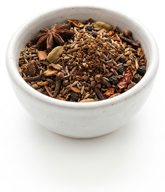 Spiced gin
Use about 80% of the volume, as it is more strongly spiced; taste before adding more.


 Granulated sugar
For 100 g syrup, heat 60 g granulated sugar with 40 g water until dissolved. Same sweetness, slightly thinner.
 Golden syrup
Use the same weight; it is richer and slightly sweeter, so reduce other sugar a little.
 Honey
Use 85–90% of the weight and add a splash of water; flavour changes and it browns faster.


 Lime juice
Use equal volume or weight; delivers almost identical sharp acidity with a faintly more aromatic, bitter-edged profile.
 Dried mango powder
Use 25% of the weight (about 1 g amchoor for 4 g juice); provides clean fruity tartness without thinning the sauce.
 White vinegar
Use 75% of the volume; gives direct sourness without any citrus floral fragrance.


 Rosewater
Use 75-100% of the weight, added off the heat. Floral but rose-scented, not screwpine.
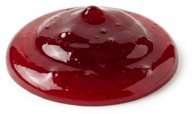 Rose syrup
Use 50-60% of the weight and reduce sugar by about the same amount. Sweet and pink-rose flavoured.
 Saffron thread
Steep 2-3 threads in 10 ml warm milk for every 10 g kewra water. Different, richer aroma.




 Water
Use the same volume. It is still, so the dish or batter will be less aerated; use immediately after mixing.
 Bicarbonate of soda
For 200 ml soda water, use 200 ml water plus 1 g bicarbonate of soda. Mix just before use; excess gives a soapy taste.


 Rosemary sprig
Use one small sprig for one pine sprig; more resinous, so use half if the dish is delicate.
 Thyme sprig
Use one sprig for one pine sprig; softer aroma, good for garnish and infusing.
 Bay leaf
Use one small fresh bay leaf for aroma only, not as a garnish; remove before serving.


