
Sarson da Saag
A slow-cooked purée of mixed winter greens with an earthy, pleasantly bitter bite tempered by pungent mustard oil and ginger. Finished with generous amounts of butter, it has a rich, velvety texture.
Ingredients

Method
- Place 750 g mustard greens, 250 g spinach, 100 g radish leaves, 30 g amaranth leaves, 48 g green chilli, 10 g fresh ginger, 54 g mustard oil, 48 g basmati rice, a pinch of salt, and 2000 g water into a large, heavy-based pot.
- Bring the mixture to a boil over medium-high heat, then turn the heat down to low and simmer uncovered for about 1 hour 45 minutes until the greens and rice are thoroughly tender.
- Remove the pot from the heat and blend the contents with an immersion blender or in a food processor until smooth, then return the purée to the pan.
- Stir in 16.2 g cornstarch until fully incorporated. Cover the pot and simmer over very low heat for 1 hour, stirring frequently to prevent sticking.
- Season to taste with salt, pour into a serving bowl, and top with 225 g butter to melt over the surface.
Don't have something?


 Radish leaves
Use equal weight, washed and chopped coarsely. Offers a similar peppery, pungent bite when simmered down.
 Spinach
Use equal weight, but add a pinch of mustard powder or ground mustard seed to mimic the sharp bitterness of mustard greens.

 Amaranth leaves
Use equal weight; trim tough stems and cook as directed. Yields a very similar melting texture, though red varieties will tint the dish.
- Radish leaves
Use equal weight, finely chopped. Slightly more peppery, so sauté for two minutes longer to soften the bite.
- Mustard greens
Use 75% of the weight, finely shredded. Adds a robust, peppery bitterness; balance with a tiny pinch of sugar if needed.

- Mustard greens
Use equal weight. Wash thoroughly and chop finely; provides a very similar peppery, robustly pungent bite.
- Spinach
Use equal weight. Chop roughly; it wilts faster and has a much milder, less peppery flavour, so consider adding a pinch of extra green chilli.
- Amaranth leaves
Use equal weight. Strip stems and chop leaves; gives an earthy, tender green texture with less bitterness.

- Spinach
Use equal weight. Chop and simmer as instructed, but reduce cooking time by 2 to 3 minutes because it releases more moisture.
- Mustard greens
Use equal weight. Remove coarse stems and braise thoroughly; holds its texture similarly but brings a sharp, peppery bitterness.


 Chilli powder
Use 10 to 15% of the weight (about 1/4 teaspoon per chilli); imparts dry pungent heat and reddens the dish without the grassy crunch.
 Dried red chilli
Use 1 dried pod per fresh green chilli; snap in half and temper in hot oil for a deeper, toastier heat.


 Ginger paste
Use equal weight. Sauté in hot fat until the raw allium smell disappears; slightly wetter, but provides identical warmth and pungency.
 Ground ginger
Use 20% to 25% of the weight (1 g for every 4 to 5 g fresh). Stir into the gravy; adds peppery heat and warmth, though it misses the crisp, zesty kick of raw root.


 Peanut oil
Use equal weight. It handles high-heat cooking well, but lacks the signature pungent, nasal heat of mustard oil.
 Vegetable oil
Use equal weight. Neutral in flavour, so your curry will lack the characteristic Bengali or North Indian pungent punch.


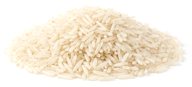
 Plain boiled rice
Use 2.5 times the weight if substituting pre-cooked rice. Fold in gently at the end of the recipe; grains will be shorter and less fragrant.


 Chickpea flour
Whisk equal weight thoroughly with cold water before stirring into hot sauce; thickens well, but imparts an earthy, nutty taste and pale golden colour.


 Unsalted butter
Use 100% of the weight. If the original recipe relies on salted table butter, add a pinch of salt to balance.
 Ghee
Use 80% to 85% of the weight. Ghee is pure butterfat with moisture removed; it yields a deeper, nuttier flavour and handles high heat better.
- Vegetable oil
Use 80% of the weight for frying or tempering. The dish loses sweet dairy richness but remains glossy and light.


Similar dishes

- Same: Pata Bhaja also features spinach cooked with mustard oil and salt.
- Different: Instead of being slow-cooked into a buttery purée with mixed winter greens, ginger, and green chillies, Pata Bhaja is made by deep-frying whole spinach leaves in a gram flour batter.
- Same: Pata Bhaja shares spinach and mustard oil with this dish.
- Different: Pata Bhaja is a deep-fried plain-flour batter around spinach leaves, while this dish is a slow-cooked purée of mustard greens, spinach, radish leaves, amaranth leaves, green chilli, ginger, rice, cornstarch, mustard oil and butter.

- Same: Palak also cooks leafy greens, featuring spinach, in pungent mustard oil with chillies and salt.
- Different: Palak is a dry sauté made purely of spinach tempered with whole coriander seeds and dried red chillies, omitting this dish's puréed blend of mustard, radish, and amaranth leaves, ginger, starch thickeners, and butter.

- Same: Moong Dal aur Palak also incorporates spinach cooked with fresh ginger and green chillies.
- Different: Moong Dal aur Palak is a lentil stew made with moong dal, cumin seeds, asafoetida, turmeric, and vegetable oil, omitting the mustard greens, amaranth, radish leaves, thickeners, and large quantity of butter used in this dish.