
Ande ki Piyosi
A rich, baked Indian halwa made from eggs, milk solids, and ground nuts. It has a dense, tender texture perfumed with saffron and ghee.
Saffron
0.5 gFolded into the batter (step 3)Everything else
Method
- Preheat the oven to 150°C (300°F) and grease a deep baking dish (at least 4 cm / 1½ in deep) with a little ghee.
- Separate 20 eggs into whites and yolks, placing the whites into a clean, grease-free bowl. Whisk the whites until they hold soft peaks.
- In another bowl, beat the yolks with 1000 g sugar until pale and creamy. Gently fold in the beaten whites, then mix in 140 g almonds, 1000 g khoya, 125 g ghee, and the saffron until thoroughly combined.
- Pour the batter into the prepared dish and set it on a baking sheet to protect the base from burning.
- Bake for about 30 minutes until the top is lightly browned. Let it settle briefly, then slice into squares or diamond shapes and serve warm.
Don't have something?


 Ghee
Use the same weight. Gives a richer aroma and nuttier taste; if the dish already uses butter for finishing, ghee can make it slightly heavier.
 Butter
Use the same weight. Lower smoke point than ghee, so keep the heat moderate; if unsalted, add a small pinch of salt.
 Vegetable oil or ghee
Use about 90% of the weight. Less rich flavour; good when you want a lighter result.


 Chickpea flour
For binding, use about 10 g chickpea flour mixed with 20 ml water per egg and rest for 10 minutes. Denser and nuttier; not suitable for baking or coating in the same way.
 Full-fat natural yoghurt
Use about 30 g per egg for moisture and binding in koftas or fillings. Adds tang and softness; will not set or glaze like egg.
 Tofu
Use the same weight, mashed, for egg-like bulk in curries. Soft and bland; add extra spices and do not expect it to bind.


 Caster sugar
Use the same weight and grind to a fine powder in a dry blender. Add 3% cornflour by weight if you need it to stay powdery.
 Granulated sugar
Use the same weight and grind in small batches until fine. It is coarser and may feel gritty in uncooked icings.
 Sugar candy
Use the same weight and grind to a powder. It is harder to grind and gives a slightly crunchier result.


 Cashew nut
Use equal weight. Soak in warm water and grind to a paste or fry identically; yields a slightly creamier and sweeter sauce.
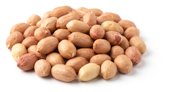 Shelled peanut
Use equal weight. Lightly roast, skin, and grind; introduces a heavier body and a pronounced roasted-nut aroma.


 Whole milk
Use 4 times the weight of milk; simmer and stir continuously in a wide heavy pan until reduced to a dense, fudgy paste.
 Paneer
Use equal weight of finely crumbled or grated paneer mixed with 15% single cream; gives similar body but a less caramelised, milk-solid flavour.
 Single cream
Simmer gently until heavily reduced, or stir in directly at 70% weight; produces rich gravies without the granular bite of khoya.


 Ground turmeric
Use 15% of the saffron's weight. Replicates the bright yellow colour well, but lacks the floral, earthy depth; use sparingly to avoid bitterness.
 Screwpine water or rosewater
Use a few drops combined with a tiny pinch of ground turmeric to mimic both the regal floral aroma and the golden hue.


Similar dishes

- Same: Masala Omelettes shares eggs as its main ingredient with this dish.
- Different: It adds onion, tomato, cumin, green chilli, turmeric, chilli powder, coriander and lemon and is pan-cooked with little oil or butter, while this dish uses khoya, icing sugar, almonds, saffron and a large amount of ghee and is baked.

- Same: Anda Bhurji shares eggs as its main ingredient with this dish.
- Different: Anda Bhurji is a stove-top savoury scramble with onion, tomato, green chilli, turmeric, cumin, coriander and lemon juice cooked in vegetable oil, while this dish is a baked sweet halwa with icing sugar, khoya, almonds, saffron and ghee or butter.

- Same: Baida Paratha also features eggs as a central ingredient and uses ghee.
- Different: Instead of being baked into a sweet pudding with khoya and saffron, Baida Paratha is a flatbread stuffed with eggs, onions, and green chillies, then shallow-fried in vegetable oil.

- Same: Dhoop Chhaun Keema is also a baked dish featuring eggs, nuts, and fat.
- Different: Rather than a sweet base of khoya and saffron, it uses minced lamb topped with fresh mint, coriander, and green chillies.