
Haak
Collard greens gently simmered in spiced oil with warming dried ginger, asafoetida, and chillies. The result is a tender, fragrant vegetable preparation resting in a light, savoury cooking liquor.
Asafoetida
0.3 gBloomed in the hot oil (step 1)Chilli and ginger spices
5 gStirred into the infused oil (step 2)Everything else

Method
- Warm 13.5 g vegetable oil in a wide, heavy-bottomed pan set over medium heat. Tip in the asafoetida and stir for roughly 30 seconds until fully melted into the oil.
- Add the chilli and ginger spices and fry briefly for 10 seconds. Immediately fold in 1000 g leafy greens and sprinkle over 1 teaspoon Kashmiri garam masala, tossing thoroughly to coat the leaves.
- Drop the heat to low, fit the lid, and cook for roughly 15 minutes, ensuring the liquid does not completely boil away so a modest amount of sauce remains. Mix in salt to taste and take off the heat.
Don't have something?


 Peanut oil
Use 1:1 by weight. Handles high-heat frying identically and introduces a very subtle, pleasant nuttiness.
 Ghee
Use 1:1 by weight. Yields a much richer, authentic aroma and a glossy, heavier mouthfeel.
 Mustard oil
Use 1:1 by weight. Heat until smoking, then cool slightly before cooking to temper its intensely pungent, sharp mustard kick.


 Garlic powder
Use double the weight. Stir into hot oil just before adding wet ingredients; mimics the allium savoury background without the sulphurous edge.
 Garlic paste
Use 2 g for every 0.5 g of asafoetida. Sauté in oil until the raw smell clears; adds moisture and sweet allium depth.


 Red chilli powder
Use 100% of the weight. Provides direct, sharp heat and red colour in equal measure.
 Kashmiri chilli powder
Use 150% to 200% of the weight if matching colour, but add a pinch of black pepper or hot chilli if you need equivalent fiery heat.
 Cayenne pepper
Use 75% to 100% of the weight. Offers a sharp, clean heat with slightly less earthy depth and less crimson colour.


 Ginger paste
Use 300% to 400% of the weight (e.g. 3–4 g paste for 1 g ground). Fry in oil alongside onions; provides a juicy, pungent kick rather than a dry, baking-spice heat.
 Fresh ginger
Peel and grate finely; use 300% to 400% of the weight. Add to the hot oil early; delivers bright, peppery warmth rather than the mellow, woody heat of dry ginger.
 Ground mace
Use 50% of the weight. Imparts a warm, spicy undertone in rich gravies, but lacks ginger's fiery, sharp zest.


 Dried kashmiri chilli
Use equal weight whole. Fry in hot oil or ghee as tempered spice; gives a richer red colour with slightly milder heat.
- Red chilli powder
Use 50% to 70% of the weight. Stir into the oil with ground spices; distributes heat evenly throughout the dish without whole chilli skins.


 Mustard greens
Use the same weight, strip tough stalks and shred. They have a similar bite; cook until tender, checking a little earlier than collard greens.
 Spinach
Use the same weight, wash well and add later. It wilts and cooks much faster, gives a milder taste and releases more water.
 Amaranth leaves
Use the same weight, pick leaves and tender stems. Add near the end; they are softer and cook in a few minutes.


 Kashmiri garam masala
Use the same weight when the recipe means the garam masala option; exact aromatic profile.
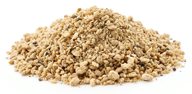 Ground dried lentil dumpling
Use the same weight. Gives savoury body and thickening but far less aroma.
 Garam masala
Use 70–80% of the weight. More pungent and warming; taste before adding extra salt.


Similar dishes

- Same: Mustard Greens with Ginger, Garlic & Chillies shares with this dish a base of leafy greens cooked in vegetable oil with ginger, chilli and salt.
- Different: Mustard Greens with Ginger, Garlic & Chillies uses mustard leaves, ginger garlic paste and fresh green chilli in a quick dry-style method, while this dish uses collard greens with asafoetida, chilli powder, dried red chilli, ground ginger and ground succh bari or Kashmiri garam masala and simmers them into a light cooking liquor.

- Same: Both dishes feature leafy greens simmered with ginger, chilli powder, and salt.
- Different: Boksa Pok adds pork and cooked rice to mustard greens without any cooking oil, omitting this dish's collards, asafoetida, whole dried chillies, and Garam Masala Kashmiri.

- Same: Phool Gobi shares the same base of vegetable oil, asafoetida, ground ginger, chilli powder, and Kashmiri garam masala.
- Different: Instead of simmering collard greens in a light broth, Phool Gobi is a dry-cooked cauliflower dish prepared with far more oil, fresh ginger, cumin, fenugreek, turmeric, sugar, and fresh coriander.
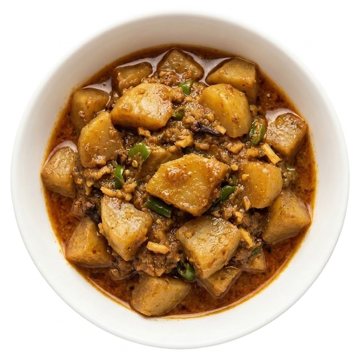
- Same: Ganth Gobi shares this dish’s Kashmiri seasoning base of asafoetida, ground ginger, and ground succh bari or Kashmiri garam masala, and both are simmered vegetable preparations.
- Different: Ganth Gobi uses kohlrabi with leaves instead of collard greens, adds clove, ground coriander, and 24 g green chilli, uses 125 g ghee or oil instead of 13.5 g vegetable oil, and lacks this dish’s chilli powder and dried red chilli.