
Gharge
Gharge are small Indian pumpkin pancakes made from a spiced dough of pumpkin, jaggery, flour and semolina. They fry up golden and tender, with a warm cardamom sweetness.
Cardamom masala
1.4 gGround and mixed into the dry ingredients (step 3)Everything else

Method
- Grind 1.4 g green cardamom pod seeds to a fine powder; set aside.
- Heat 150 g canned pumpkin purée, 120 g jaggery or dark brown sugar and a pinch of salt in a small saucepan over low heat, stirring continuously, for 25 minutes until thickened and slightly dry.
- Leave the pumpkin mixture to cool.
- Mix 100 g chapatti flour, 7 g coarse semolina and the cardamom masala in a bowl.
- Add the cooled pumpkin mixture and 13.5–27 g oil; knead with greased hands to a smooth dough. No water is needed.
- Cover the dough and rest it for 10 minutes.
- Heat oil for deep-frying to 170°C (338°F), or until a cube of bread browns in about 30 seconds.
- Divide the dough into 8–10 pieces. Roll each piece on a flour-dusted surface into a 7 cm disc.
- Deep-fry the discs in batches until golden brown, then drain on kitchen paper.
- Serve topped with ice cream and chopped pistachios.
Don't have something?


 Green cardamom seed
Use 35 to 40% of the total pod weight; lightly bruise the seeds before frying in oil to release their essential oils.
 Ground green cardamom
Use 20 to 25% of the pod weight (about 1 generous pinch per pod); stir in toward the end of cooking so the delicate floral notes do not dissipate.
 White cardamom pod
Use 1:1 by pod count or weight; crack gently before using, though it is slightly less intensely floral.


 Pumpkin or butternut squash
Use the same weight of cooked, mashed purée; roast first for thicker purée. Butternut is smoother and sweeter.
 Squash or pumpkin
Use the same weight cooked and puréed; drain if watery, as canned purée is dense.
 Sweet potato
Use the same weight cooked and mashed; sweeter and starchier, so reduce added sugar.


 Jaggery
Use the same weight, grated or chopped. It gives a deeper, more mineral sweetness.
 Dark brown soft sugar
Use the same weight. It is very close, with soft molasses notes; dissolve fully.
- Light brown soft sugar
Use the same weight. It is milder and less dark, so expect a lighter flavour.


 Wholemeal flour
Use the same weight; it is very close, but add water slowly as it can be coarser and absorb more.
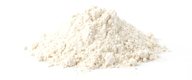 Plain flour
Use the same weight but reduce water by about 10%; the dough is softer and the flavour less nutty.
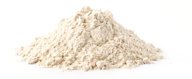 Flour
Use the same weight as a plain-flour swap; reduce water slightly and expect a lighter, less wheaty result.


 Semolina
Use the same weight; it is finer, so add liquid gradually and soak for less time.
 Fine semolina
Use the same weight; it absorbs faster and gives a smoother, less grainy texture.
 Cream of wheat
Use the same weight; toast it first if the recipe calls for roasting, and watch the liquid.


 Vegetable oil
Use the same weight. It is neutral and behaves the same in frying and tempering; no noticeable change in flavour.
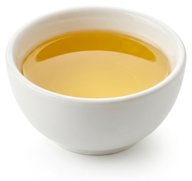 Corn or vegetable oil
Use the same weight. Neutral and good for high heat; the dish will taste virtually the same.
 Groundnut oil
Use the same weight. It has a mild nutty flavour and is good for Indian cooking; heat until just hot, not smoking, so the nuttiness does not dominate.


Similar dishes

- Same: Phulkas and this dish both use chapatti flour and are cooked on a stovetop as Indian breads.
- Different: Phulkas are made with chapatti flour, ghee, salt and water and cooked on a hot griddle until puffed, while this dish adds pumpkin purée, jaggery, cardamom, semolina and oil and is fried as small pancakes.
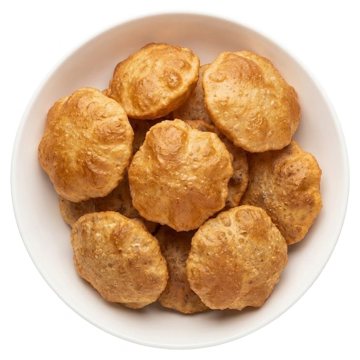
- Same: Puris shares chapatti flour, salt, and a fried cooking style with this dish.
- Different: Puris has more chapatti flour and oil, lacks pumpkin purée, jaggery, semolina, and cardamom, and is deep-fried to puff rather than cooked as a spiced pancake.
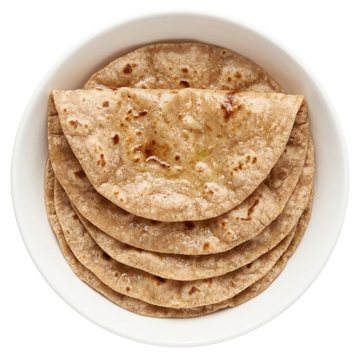
- Same: Chapattis and this dish both use chapatti flour, oil and salt as core ingredients.
- Different: Chapattis lacks pumpkin, jaggery, semolina and cardamom, adds butter, and is cooked on a dry griddle instead of being fried as small pancakes.
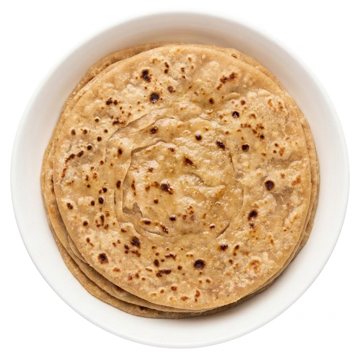
- Same: Plain Buttery Parathas shares chapatti flour, oil, salt, and pan-frying with this dish.
- Different: Plain Buttery Parathas has butter and lacks pumpkin, jaggery, semolina, and cardamom; it is a layered flatbread, while this dish is a sweet pancake dough.