
Topa Kooler Achar
A sweet, tart, and spicy Bengali pickle made by simmering wild plums in a mustard oil, molasses, and roasted five-spice syrup.
Spices for the oil
50 gBloomed in the warm mustard oil (step 1)Everything else
Method
- Warm 228 g mustard oil in a wide stainless-steel pan over medium heat, then stir in the spices for the oil.
- Add 1000 g Indian plums, stirring delicately as the mixture comes up to a boil.
- Mix in 250 g cane molasses and 250 g granulated sugar, maintaining medium heat for 15 minutes until the mixture turns lightly tacky.
- Stir in 50 g roasted paanch phoren just before taking the pan off the heat.
- Leave the pickle to cool down thoroughly, then ladle into sterilised jars. Mature at room temperature for 1 week before consuming, then store chilled.
Don't have something?


 Peanut oil
Use equal weight. It handles high-heat cooking well, but lacks the signature pungent, nasal heat of mustard oil.
 Vegetable oil
Use equal weight. Neutral in flavour, so your curry will lack the characteristic Bengali or North Indian pungent punch.


 Ground ginger
Use 50% of the weight. Mimics turmeric's warm, earthy, rhizome background, but provides none of the golden-yellow colour.
 Saffron
Steep a tiny pinch (0.1 g per 2 g turmeric) in 2 tbsp warm water; use to match the rich golden hue. Contributes an aristocratic, honeyed floral flavour rather than earthy bitterness.


 Red chilli powder
Use 100% of the weight. Provides direct, sharp heat and red colour in equal measure.
 Kashmiri chilli powder
Use 150% to 200% of the weight if matching colour, but add a pinch of black pepper or hot chilli if you need equivalent fiery heat.
 Cayenne pepper
Use 75% to 100% of the weight. Offers a sharp, clean heat with slightly less earthy depth and less crimson colour.


 Dried plum
Soak in warm water for 20 minutes, then use 50–60% of the weight; more concentrated and darker, so reduce sugar slightly.
 Pear
Use an equal weight of ripe pear, peeled and chopped; add a squeeze of lemon as pear is less tart and juicier.
 Tamarind paste
Only if sourness is the point: use about 1 tsp per 100 g plum and taste; it will not give plum sweetness or body.


 Jaggery
Use the same weight, grated and melted in a little hot liquid; less bitter and more caramel-like, so cut any other sugar slightly.
 Brown sugar
Same weight; milder and less bitter, so use 10% more if you want the dark colour and treacly depth.
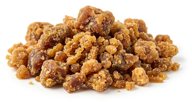 Crushed jaggery or soft brown sugar
Same weight; the soft brown sugar option is the closest for baking, jaggery for savoury dishes.


- Jaggery
Use equal weight; grate or shave finely so it dissolves rapidly, giving a warm, caramel-like sweetness and slightly darker sauce.


 Bengali five-spice mix
Grind the same weight freshly; toast lightly first. This is the exact flavour.
 Ground cumin
For 5 g ground panch phoron, mix about 1 g each ground cumin, ground fennel seed, ground mustard seed, ground fenugreek and ground black cumin; toast before grinding. Lacks nigella.
 Ground fennel seed
Use with equal ground cumin and ground mustard seed as a rough blend, about 1.5 times the total weight; sweeter and missing fenugreek/nigella.


Similar dishes

- Same: Plummaharaja shares plum as the main flavor and a tart profile with this dish.
- Different: Plummaharaja is an uncooked vodka cocktail with cardamom, ginger, calvados, lemon juice, agave, orange bitters and ice, while this dish is a simmered pickle with mustard oil, molasses, sugar, chilli powder, turmeric and panch phoron.

- Same: Both dishes use plums as a central ingredient alongside turmeric and chilli powder.
- Different: Alubokhara Kofta is a savoury curry of stuffed dumplings simmered in a tomato, onion, and ghee sauce, whereas this dish is a fruit pickle cooked in mustard oil, sugar, and paanch phoren.

- Same: Both dishes use plums as a central ingredient and include chilli powder for heat.
- Different: Alubhokhara Qorma is a braised lamb curry prepared with yogurt, ghee, fennel, and warm spices, whereas this dish is a plum pickle simmered in mustard oil, sugar, and paanch phoren.

- Same: Maachher Roast shares turmeric, chilli powder, sugar, and a sweet-sour-spicy balance with this dish.
- Different: It uses fish, onion, ginger, ghee, and vinegar and is lightly fried then finished in sauce, while this dish uses plums, mustard oil, molasses, and panch phoron simmered as a pickle.