
Pudine ka Raita
A crisp, cooling herb raita packed with fresh mint and coriander, balanced by a sharp hint of green chilli and ginger.
Ingredients

Method
- Place 25 g mint, 25 g coriander leaf, 3.8 g ginger and 4.9 g green chilli into a blender and grind until broken down into a fine paste.
- Add 565 g yoghurt and salt to taste, then blend until smoothly combined.
- Check the seasoning, adjust with more salt if needed, and serve.
Don't have something?


 Dried mint
Use about 30% of the weight of fresh mint. Rub between your palms to crush before stirring in; the flavour will be more intensely herbal and less bright.
 Coriander leaf
Use equal weight, finely chopped. Adds fresh citrusy green notes, but lacks the cooling menthol lift.


 Fresh ginger
Use equal weight; scrape off the skin and grate or finely julienne according to the recipe.
 Ginger paste
Use equal weight; stir straight into the sizzling aromatics, taking care as the extra moisture may spit.
 Ground ginger
Use 15 to 20% of the weight; add alongside ground spices, noting it imparts warm, dry heat rather than zesty freshness.


 Chilli powder
Use 10 to 15% of the weight (about 1/4 teaspoon per chilli); imparts dry pungent heat and reddens the dish without the grassy crunch.
 Dried red chilli
Use 1 dried pod per fresh green chilli; snap in half and temper in hot oil for a deeper, toastier heat.


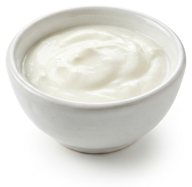 Full-fat yoghurt
Use the same weight; check that it is plain and unsweetened.
 Plain yogurt
Use the same weight; if it is thin, strain for 10 minutes first.
 Hung natural yoghurt
Use 70% of the weight and loosen with a little milk to match the recipe's consistency.


Similar dishes

- Same: Both dishes are uncooked herb preparations based on fresh mint, coriander leaf, green chilli, and salt.
- Different: Pudine ki Chutney incorporates garlic and sour tamarind extract while omitting the ginger found in this dish.

- Same: Like this dish, Bhaang ki Chutney uses fresh mint, green chillies, and salt.
- Different: Instead of yogurt, coriander, and ginger, it incorporates toasted hemp seeds ground with lemon juice.

- Same: Both recipes use fresh mint and green chillies as key herbal aromatics.
- Different: Chintapandu Thokku is an oil-cooked preserve based on raw tamarind, garlic, and tempered whole spices like mustard, cumin, fenugreek, and dried red chillies, whereas this dish is a fresh, raw mixture containing coriander and ginger with no oil.

- Same: Both dishes rely on fresh mint, coriander, and green chillies to provide their herbal flavor and heat.
- Different: Pudina Rasam is a hot, cooked lentil broth made with toor dal and tempered in ghee with black pepper, mustard seeds, cumin, and curry leaves, whereas this dish is an uncooked herb preparation without lentils, fat, or whole spices.