Poriyal Podi
A fragrant, nutty South Indian dry spice mix textured with toasted lentils, coconut, and chillies. It lends a warm, roasted depth and gentle crunch when tossed into vegetable stir-fries.
Poriyal podi spices
243 gToasted and fried sequentially (steps 1 to 3)Everything else

Method
- Place a dry frying pan over medium heat. Individually toast the 75 g coriander seeds, 2.8 g asafoetida, and 100 g urad dal from the poriyal podi spices for 30 to 45 seconds each, removing each item to a plate once the dal turns golden and the spices become aromatic.
- Tip the 50 g grated desiccated coconut from the poriyal podi spices into the hot, dry pan and stir continuously until lightly browned with a reddish tint, then transfer to the plate.
- Warm 40.5 g vegetable oil in the pan over medium heat. Add the last of the poriyal podi spices, the 15 g dried red chilli, and fry for 1 to 2 minutes until fragrant.
- Transfer all toasted and fried ingredients into a spice grinder or mortar, add 5.8 g salt, and crush to a coarse powder. Keep in an airtight jar.
Don't have something?


 Ground coriander
Use 75% of the weight; stir in along with wet masala or tomato purée rather than frying in hot oil, as the fine powder burns instantly.
 Cumin seed
Use 50% of the weight for tempering in hot oil. Lacks the floral, sweet citrus flavour of coriander, introducing warm, pungent earthiness instead.
 Fennel seed
Use 50% of the weight in tempering; provides pleasant aromatic sweetness, though noticeably aniseedy rather than citrusy.


 Garlic powder
Use double the weight. Stir into hot oil just before adding wet ingredients; mimics the allium savoury background without the sulphurous edge.
 Garlic paste
Use 2 g for every 0.5 g of asafoetida. Sauté in oil until the raw smell clears; adds moisture and sweet allium depth.


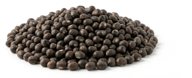 Whole black gram
Use equal weight. Needs longer soaking and cooking; the dark skins impart an earthy flavour and greyish-black hue unless thoroughly rubbed off.
 Chana dal
Use equal weight when tempering (tadka). Provides a comparable nutty, crunchy texture in hot oil, though grains are slightly larger.
 Split mung beans
Use equal weight for batters or dals. Ferments and cooks faster, producing a lighter, less sticky, and less viscous consistency.


 Desiccated coconut
Use 1:1 by weight; yields identical flavour and moisture absorption in gravies or spice pastes.
 Fresh coconut
Use 120% of the weight, finely grated; provides a sweeter, fresher aroma and slightly higher natural moisture.
 Dried coconut
Use equal weight; grate finely or soak in warm water for 15 minutes before blending into masalas.


 Peanut oil
Use 1:1 by weight. Handles high-heat frying identically and introduces a very subtle, pleasant nuttiness.
 Ghee
Use 1:1 by weight. Yields a much richer, authentic aroma and a glossy, heavier mouthfeel.
 Mustard oil
Use 1:1 by weight. Heat until smoking, then cool slightly before cooking to temper its intensely pungent, sharp mustard kick.


 Dried kashmiri chilli
Use equal weight whole. Fry in hot oil or ghee as tempered spice; gives a richer red colour with slightly milder heat.
 Red chilli powder
Use 50% to 70% of the weight. Stir into the oil with ground spices; distributes heat evenly throughout the dish without whole chilli skins.
Similar spice mixtures
- Same: Both are South Indian roasted spice powders made with urad dal, dried red chillies, coriander seeds, and asafoetida cooked in vegetable oil.
- Different: Karepaku Karam includes curry leaves, cumin seeds, garlic powder, and black pepper, but omits the desiccated coconut used in this dish.
- Same: Kotu Podi shares the base of urad dal, desiccated coconut, dried red chillies, coriander seeds, and asafoetida roasted in vegetable oil.
- Different: Kotu Podi incorporates a large amount of chana dal along with black peppercorns and cumin seeds, but uses far fewer coriander seeds and omits the salt.
- Same: Molaggai Podi is also a roasted South Indian spice blend made with urad dal, dried red chillies, vegetable oil, and asafoetida.
- Different: Molaggai Podi incorporates chana dal and sesame seeds, but omits the coriander seeds and desiccated coconut used in this dish.
- Same: Both are toasted South Indian spice blends prepared with vegetable oil, urad dal, coriander seeds, dried red chillies, and asafoetida.
- Different: Rasam Podi adds chana dal, masoor dal, black peppercorns, cumin, and fenugreek seeds, but excludes the desiccated coconut and salt used in this dish.