
Palpayasam
Crisp fried rice-flour dumplings soaked in a rich, cardamom-and-nutmeg-scented reduced milk syrup. It can be enjoyed warm or well chilled.
Finishing sweet spices
3.3 gStirred into the reduced milk off the heat (step 4)Everything else
Method
- Combine 200 g rice flour with 40.5 g peanut oil in a large bowl, working it through with your fingers, then pour in just enough water to bring everything together into a soft dough.
- Transfer the dough to a lightly dusted surface and knead for about 5 minutes. Divide the dough into 15 equal portions and shape each into a smooth sphere.
- Heat a generous amount of peanut oil for deep-frying in a heavy pan or kadhai to 180°C/350°F, or until a bread cube browns in 30 seconds. Fry the dumplings individually for 2 to 3 minutes until evenly golden, then remove and drain on paper towels.
- Bring 1034 g milk to a boil in a heavy-bottomed pot and simmer for roughly 30 minutes until reduced by half. Stir in 125 g granulated sugar and continue boiling until the liquid reduces to one-third of its starting volume.
- Stir in the finishing sweet spices, take the pan off the heat, and allow the milk to cool until lukewarm.
- Submerge the fried dumplings in the lukewarm spiced milk and let them steep for several minutes before serving warm or chilled.
Don't have something?


 Cornflour
Use about 60–70% of the weight for thickening; for coatings use the same weight but the crust is denser.
 Plain flour
Use the same weight for coatings; contains gluten, browns faster and is less crisp.
 Fine semolina
Use the same weight for crisp coatings; coarser texture and needs a short rest.


 Vegetable oil
Use equal weight. Offers a similar neutral base and high smoke point, ideal for deep-frying and high-heat tadkas.
 Mustard oil
Use equal weight, but heat to smoking point and cool slightly before using. Adds a sharp, pungent flavour that alters the dish significantly.



 Whole milk
Use equal weight; provides the standard rich dairy fat and body expected in creamy Indian bases.
 Single cream
Dilute 3 parts cream with 1 part water to match the weight; yields a richer, glossier gravy that resists curdling.
 Plain yogurt
Whisk thoroughly and use equal weight; adds extra body and a mild pleasant acidity, best added off the heat.


 Jaggery
Use equal weight; grate or shave finely so it dissolves rapidly, giving a warm, caramel-like sweetness and slightly darker sauce.


 Green cardamom seed
Use 35 to 40% of the total pod weight; lightly bruise the seeds before frying in oil to release their essential oils.
 Ground green cardamom
Use 20 to 25% of the pod weight (about 1 generous pinch per pod); stir in toward the end of cooking so the delicate floral notes do not dissipate.
 White cardamom pod
Use 1:1 by pod count or weight; crack gently before using, though it is slightly less intensely floral.


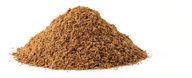 Ground nutmeg
Use equal weight, or roughly 1/2 teaspoon for half a whole nutmeg. Stir in near the end of cooking as pre-ground loses aroma quickly.
 Mace blade
Use about 70% of the weight, finely ground. Mace comes from the same fruit and provides a very similar but slightly lighter, more floral warmth.
 Ground mace
Use equal weight. Delivers a slightly sharper, more delicate sweetness to rich kormas and biryanis.


Similar dishes

- Same: Both dishes use milk simmered with granulated sugar and flavored with green cardamom pods.
- Different: Payesh is a slowly simmered rice pudding that lacks the nutmeg, peanut oil, and fried rice-flour dumplings of this dish.
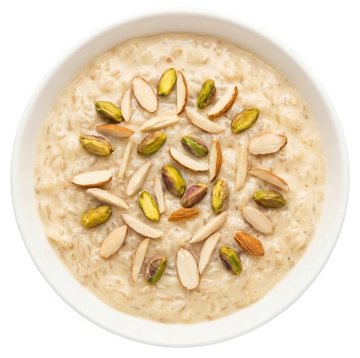
- Same: Both desserts sweeten reduced cow's milk with granulated sugar, flavor it with green cardamom pods, and rely on rice as the starch base.
- Different: Sheer Birinj simmers whole basmati rice with ghee, khoya, clotted cream, cashew paste, and floral water, whereas this dish uses rice-flour dumplings fried in peanut oil and spiced with nutmeg.
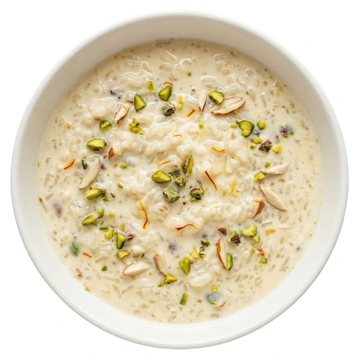
- Same: Kheer and this dish are both sweet milk-based Indian desserts sweetened with sugar and scented with green cardamom.
- Different: Kheer cooks whole rice in milk, while this dish uses fried rice-flour dumplings soaked in milk; Kheer adds saffron, kewra, pistachio, almond and silver leaf, and lacks this dish's peanut oil, nutmeg and dumpling method.
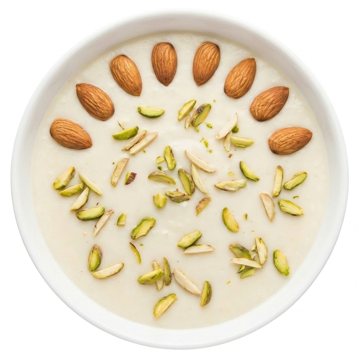
- Same: Phirni shares a sweet milk and rice base with this dish.
- Different: Phirni simmers ground rice directly into the milk without using peanut oil to fry dumplings, and it flavors the pudding with kewra or rosewater instead of cardamom and nutmeg.