Kariveppilai Podi
A fragrant South Indian dry spice powder made with toasted curry leaves, lentils, and chillies. It offers an earthy, savoury, and mildly pungent flavour with a touch of tartness.
Podi spices
81 gFried individually in the oil (step 1)Everything else

Method
- Warm 4.5 g vegetable oil in a frying pan over medium heat. Fry each item from the podi spices and 10 g tamarind one by one until lightly toasted, lifting each out of the pan as it finishes.
- Transfer the fried spices and tamarind to a spice grinder or mortar, add salt to taste, and crush to a coarse powder.
- Pass the ground powder through a sieve and transfer it to an airtight container for storage.
Don't have something?


 Peanut oil
Use 1:1 by weight. Handles high-heat frying identically and introduces a very subtle, pleasant nuttiness.
 Ghee
Use 1:1 by weight. Yields a much richer, authentic aroma and a glossy, heavier mouthfeel.
 Mustard oil
Use 1:1 by weight. Heat until smoking, then cool slightly before cooking to temper its intensely pungent, sharp mustard kick.


 Bay leaf
Fry 1 bay leaf for every 5 curry leaves in hot oil; imparts a warm, woodsy background note, but misses the citrus-sulphury punch entirely.
 Lime juice
Add a small squeeze (about 5 ml per sprig of curry leaves) right before serving; provides sharp citrus top notes without the toasty, herbal aroma.


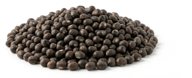 Whole black gram
Use equal weight. Needs longer soaking and cooking; the dark skins impart an earthy flavour and greyish-black hue unless thoroughly rubbed off.
 Chana dal
Use equal weight when tempering (tadka). Provides a comparable nutty, crunchy texture in hot oil, though grains are slightly larger.
 Split mung beans
Use equal weight for batters or dals. Ferments and cooks faster, producing a lighter, less sticky, and less viscous consistency.


 Dried kashmiri chilli
Use equal weight whole. Fry in hot oil or ghee as tempered spice; gives a richer red colour with slightly milder heat.
 Red chilli powder
Use 50% to 70% of the weight. Stir into the oil with ground spices; distributes heat evenly throughout the dish without whole chilli skins.


 Tamarind extract
Use 50% to 60% of the weight, loosened with a splash of warm water. Skips soaking and straining while providing equivalent tartness.
 Dried mango powder
Use 20% to 25% of the weight stirred in towards the end of cooking. Imparts pure sourness without dark colour or fruit pulp body.
 Lemon juice
Use equal weight added off the heat. Gives bright, clean acidity, though it lacks tamarind's earthy, caramel undertones.


Similar spice mixtures
- Same: Kothimalli Podi shares the same base of urad dal, dried red chillies, and tamarind toasted in vegetable oil.
- Different: Kothimalli Podi replaces the curry leaves with fresh coriander leaves.
- Same: Both are South Indian dry spice powders made by toasting curry leaves, urad dal, and dried red chillies in vegetable oil.
- Different: Karepaku Karam uses significantly more oil and adds coriander seeds, cumin, garlic powder, black pepper, and asafoetida, but omits the tamarind found in this dish.
- Same: Puliyadorai Masala shares the base components of roasted lentils, dried red chillies, curry leaves, vegetable oil, and tamarind as a souring agent.
- Different: Puliyadorai Masala uses vastly more oil and tamarind, adds chana dal, toor dal, peanuts, sesame seeds, green chillies, and asafoetida, and includes a whole-spice tempering rather than being a dry leaf powder.
- Same: Molaggai Podi is also a South Indian dry spice powder made by toasting urad dal and dried red chillies in vegetable oil.
- Different: It adds chana dal, sesame seeds, and asafoetida while omitting the curry leaves and tamarind used in this dish.